For the last 60 years it has been a buzzing Sydney Latin nightlife precinct – home to passionate salsa and flamenco dancing, tapas, suckling pig, sweet wine and date nights.
But, in the last month, Sydney’s Spanish Quarter has been wiped off the map.
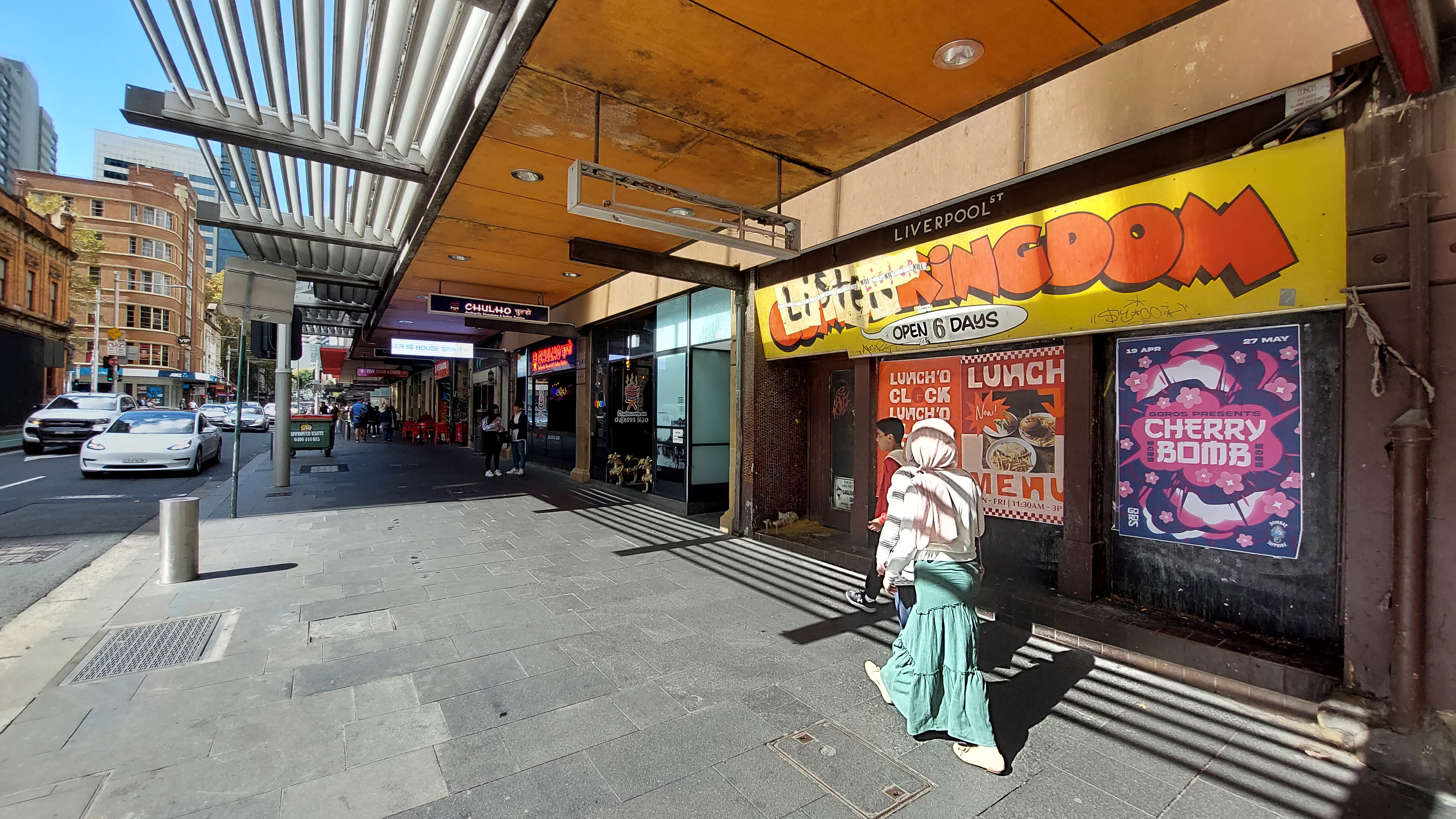
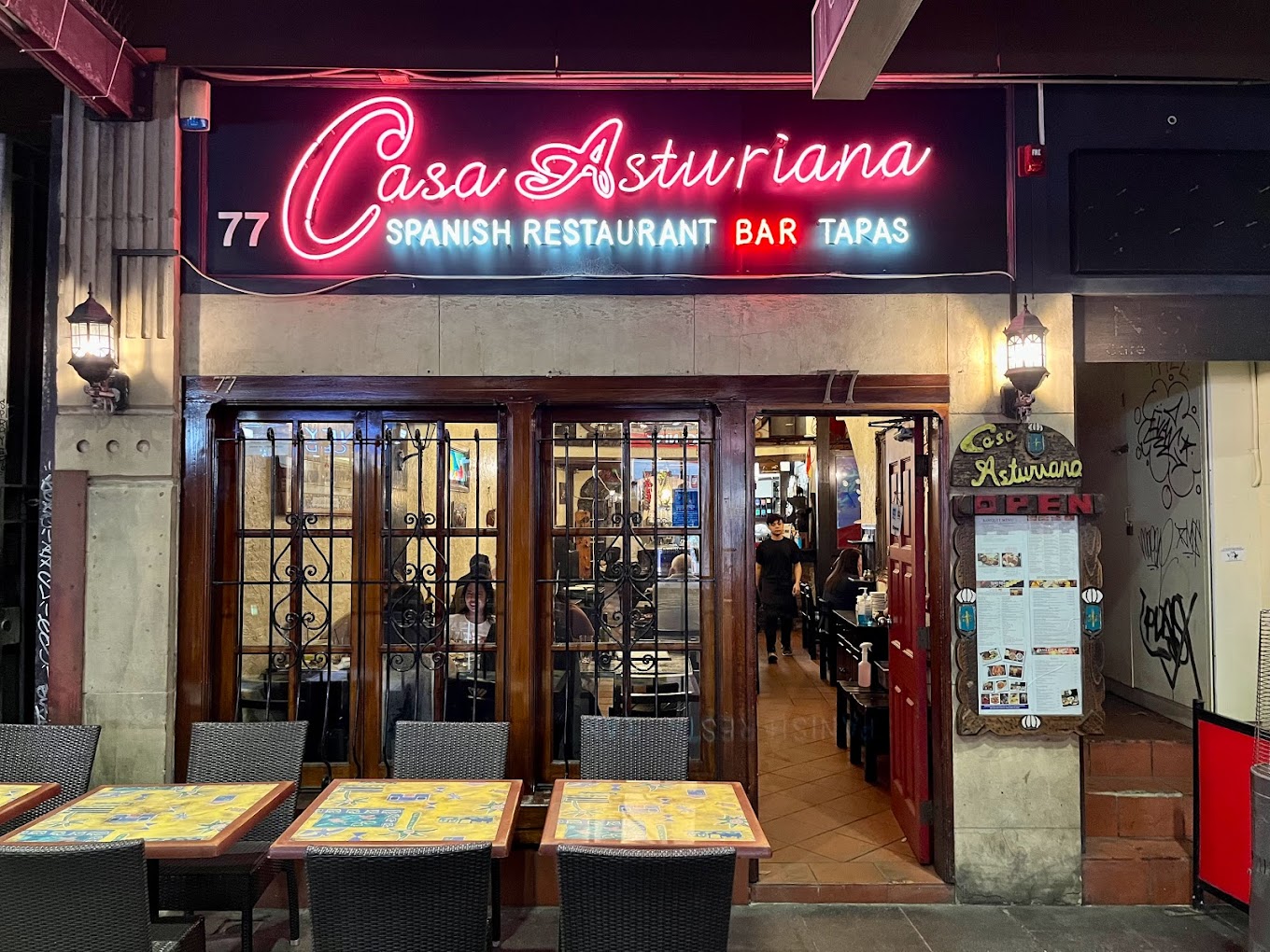
During April, without any fanfare, the last Spanish restaurant (Casa Asturiana) closed in the former Spanish Quarter precinct clustered around the corner of Liverpool and Kent Sts, just south of the George St cinema strip.
And, in the passing of the Spanish Quarter, it is reasonable to ask whether we should be naming different parts of our city after ethnic groupings, given the constant churn and change in our retail environment.
Rise of the Spanish Quarter
The bedrock of the Spanish Quarter was the Spanish Club.
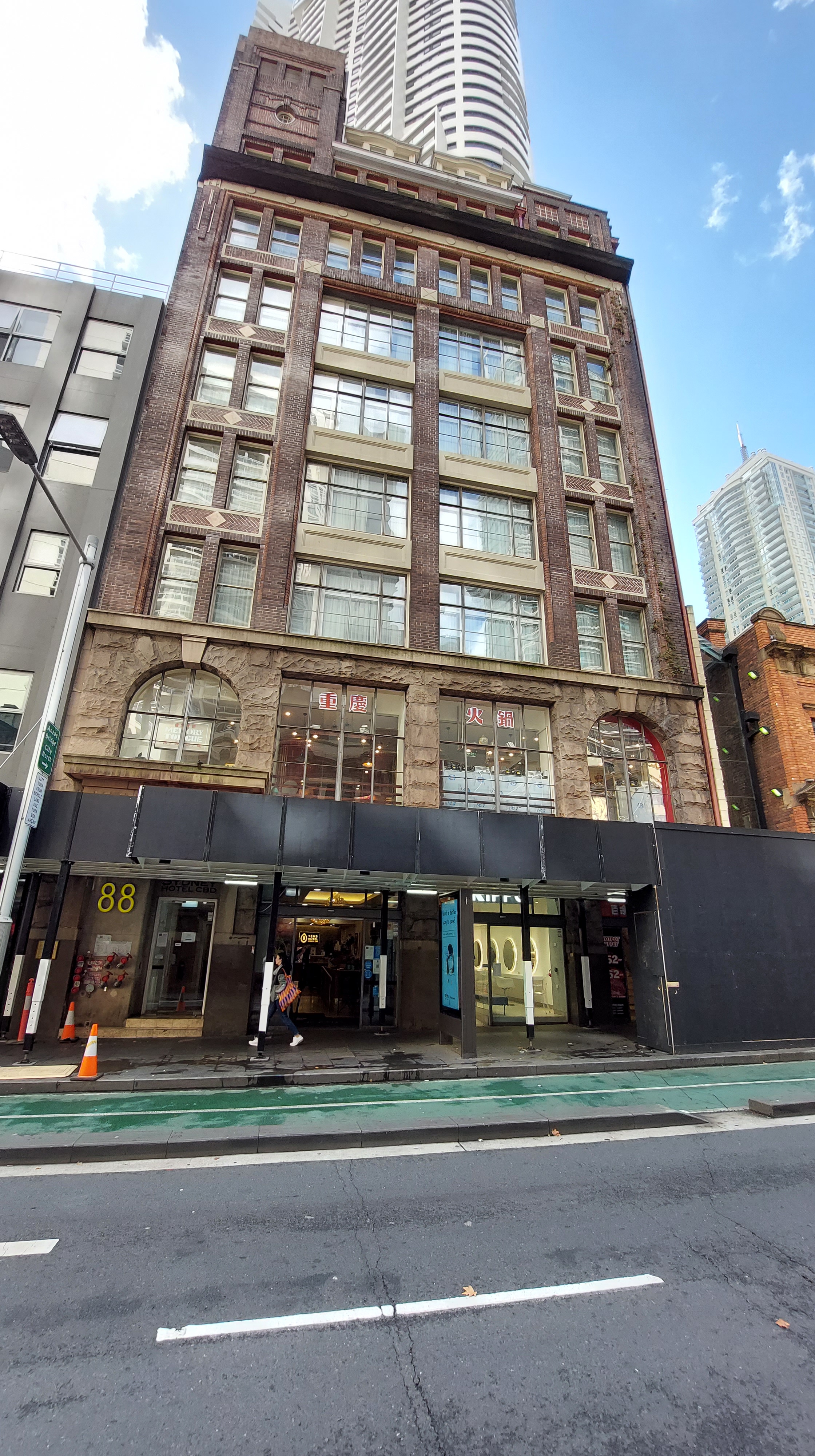
This club opened at 88 Liverpool St in 1962 to service the many thousands of immigrants arriving in Australia following the 1958 signing of a migration agreement between Spain and Australia. Spanish migrants took the opportunity, in their droves, to escape the European nation’s fascist dictatorship.
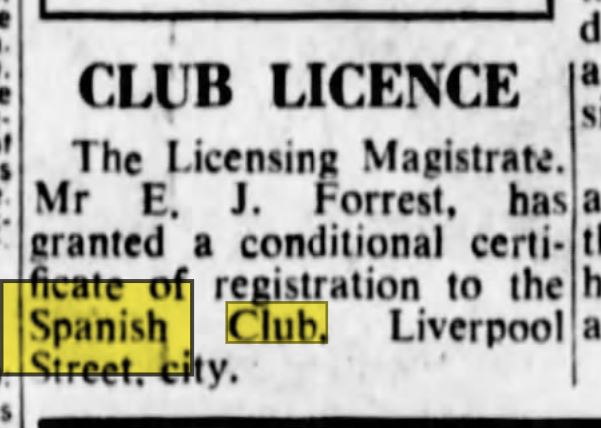
By the late 1960s, the Spanish Club had 2,000 members and promoted itself as the “centre for Spaniards in Australia”, featuring Spanish food, wine and decor, along with a library, cinema, art and a “sleeping room” for small children.
“In the dining room, where the tables are covered with vivid red linen, the traditional broths of Spanish provinces are served, as well as garlic prawns and paella,” the Sydney Morning Herald reported in 1969.
Spanish restaurants soon clustered around the club.
In 1969, Don Quixote – famous for its suckling pig – opened in Albion Lane. In 1976, Capitan Torres opened across the road from the club at 73 Liverpool St.
By the 1980s, the intersection of Kent and Liverpool St was unofficially, but widely, known as the Spanish Quarter – the perfect place for a dinner date before the movies or to share fun and food with the family or friends.

For many Australians, so used to the ‘meat and three veg’ style dinner, the Spanish Quarter was a culinary revolution.
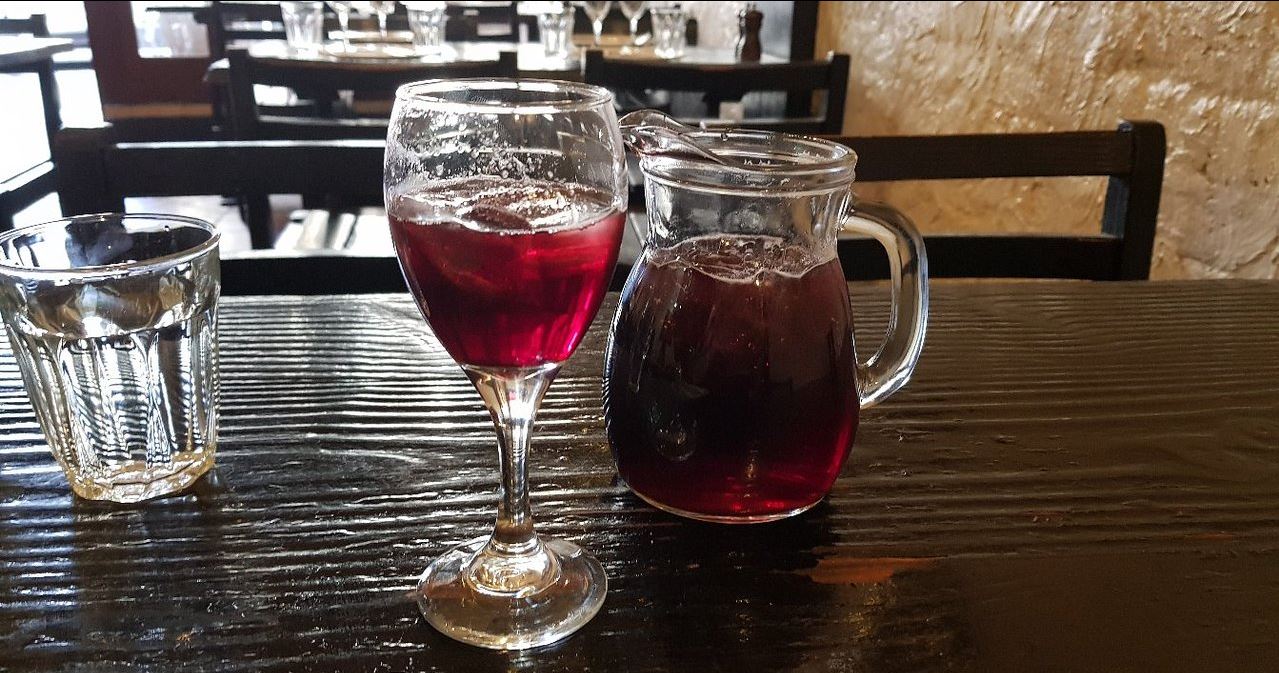
Here you could graze on small but tasty portions of food – tapas – washed down with sweet but deceptively dangerous sangria. Or you could try different different types of paella, with Capitan Torres specialising in delectable lobster paella.
The 1990s were a boom time for the Spanish Quarter.
A Spanish nightclub, La Campana, opened at 53-55 Liverpool St in 1990, followed by the aforementioned Casa Asturiana in 1992, which focussed on home style cooking from the tiny alpine province of Asturia in Spain’s north. In 1995, the underground tapas haunt Miro and raucous band, food and dancing venue Spanish Terrazas also opened up.
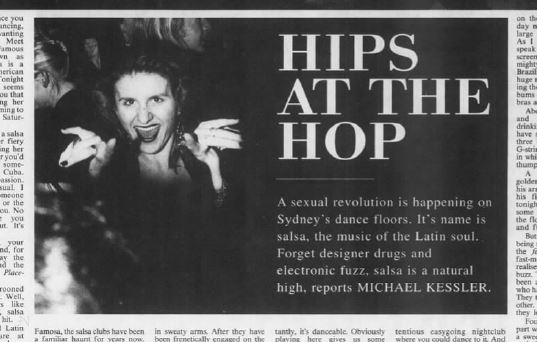
The boom coincided, during the 1990s, with increased interest in salsa dancing – which in itself seemed to be in opposition to the drug-fuelled 1990s nightclub culture. The fact the City of Sydney Council also held an annual Spanish Quarter festival no doubt helped.
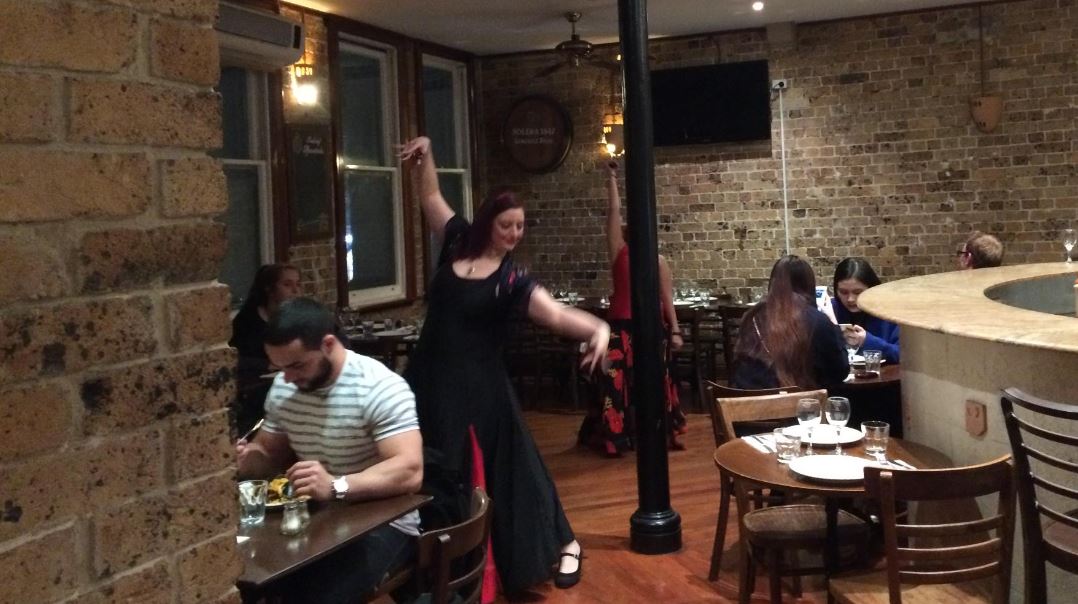
During the 1990s, there were at least 10 Spanish themed venues – mostly restaurants – clustered around the intersection. In 1997, the SMH reported that Casa Asturiana had been voted the Good Food Guide’s best Spanish licensed restaurant three times since its opening.
Fall of the Spanish Quarter
But, in the case of the Spanish Quarter, what goes up, must come down.
As the Spanish migrants of the 1960s and 1970s died out, so did the Spanish Quarter’s cultural pedigree and fortunes.
The first to go with Don Quixote in 2004, while the last council Spanish Quarter Street Festival was in the mid-2000s.
In 2009, the Spanish club was forced into voluntary administration and, in the same year, Capitan Torres closed down.
“Many of the original people who set up the quarter are dead now or too old,” one of the Capitan Torres restaurant owners said at the time. “It’s very hard work. You’re up at 5am to go to the market and you’re still at the restaurant at 11pm doing the books.
“It’s time for me to retire. I thought maybe my kids would take over, but they say no. This is life, I suppose – the Spanish quarter is finished.”
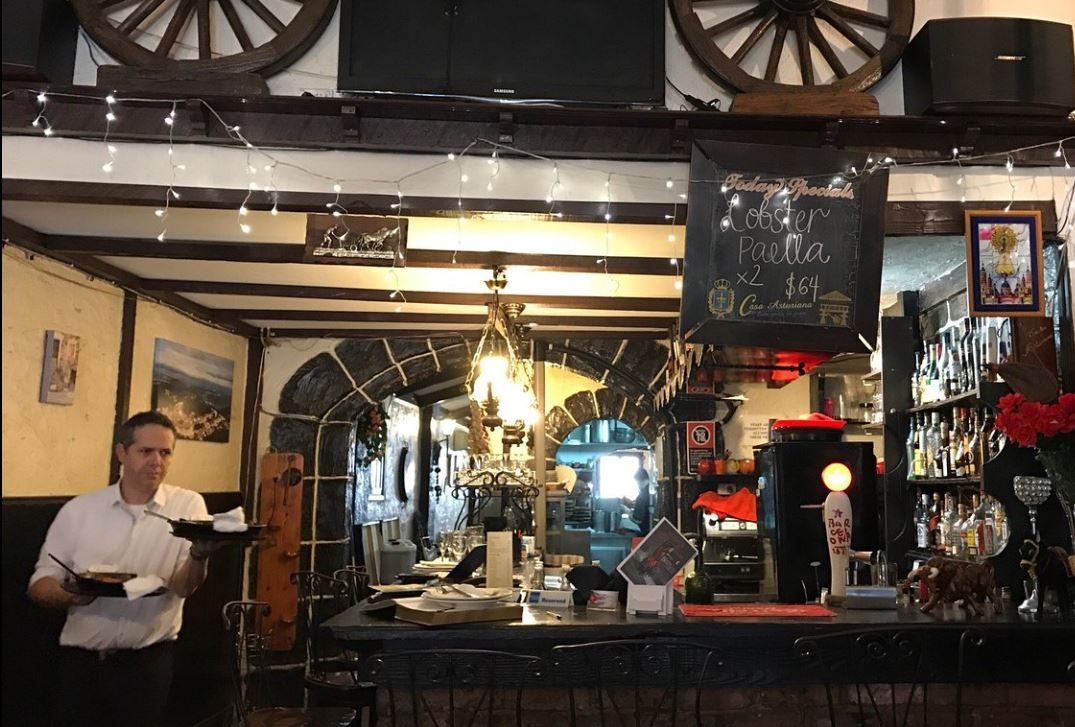
After four years of battling financial problems, the Spanish Club closed its doors in 2013, closely followed in 2015 by Miro and Spanish Terrazas.
That left Casa Asturiana, which for the last eight years has fought a lone battle keeping the Spanish Quarter flame alive. It lost that battle in April, when it was replaced by a Thai barbecue and hotpot bar.

All the other former Spanish venues are either now vacant, turned into a hotel or replaced by Asian eateries. Which, in part, leads to the next question – is it appropriate to turn to pigeon hole city precincts by ethnicity?
Naming our precincts
Sydney has a range of different retail precincts known, or named, by ethnicity.
Inner West Council has decided to name Petersham as Little Portugal, Leichhardt as Little Italy and parts of Marrickville as either Little Greece or Little Vietnam. Meanwhile, a part of the Bankstown CBD is designated as Saigon Place.
The Spanish Quarter experience however tells us that cities and social patterns are ever changing, and a name in itself doesn’t guarantee an ethnic flavour will remain in place.
In Leichhardt, the ongoing financial and administration issues with the near-empty Italian Forum shows that an ethnic precinct will not survive unless it is authentic and supported by the ethnic community it is meant to serve.
The excellent 1995 book Shop Full of Dreams researches and reports on Sydney’s ethnic retail tradition. It says Newtown was known as a Greek retailer precinct in the 1970s. No-one could say the same of that strip today.
The book says also that, as is the case in the Spanish Quarter, the motivations which drove many immigrants to set up a business in the first place are not shared by the immigrant’s children, often causing the businesses to die out.
Another issue with the Spanish Quarter is that it’s been simply overwhelmed by changing demographics, with the area south of Town Hall being incredibly popular among Asian students and immigrants. Up to the 2000s, the Spanish Quarter once served as something of a barrier between the cinema strip and Chinatown to the south.
Now an Asian-flavoured precinct stretches all the way from Town Hall to Central station.
Perhaps it’s time to stop designating retail precincts by ethnicity, and instead let these precincts change over time?
Discover more from Changing Sydney
Subscribe to get the latest posts sent to your email.

 Changing Sydney
Has a Spanish area popped up outside the CBD?