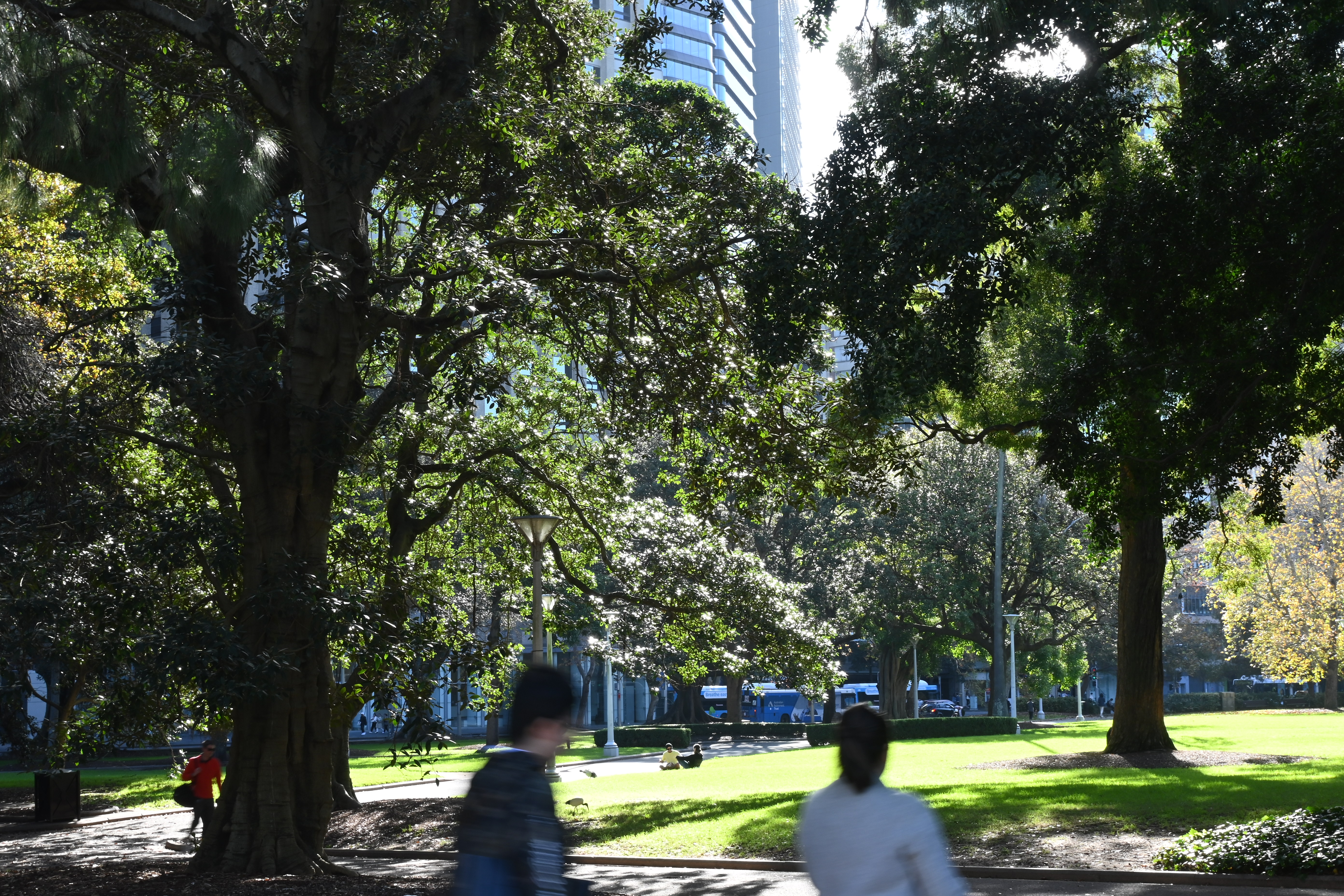
On a crisp and fine mid-winter’s day, it is always a pleasant experience to escape the cold and dark streets of Sydney’s CBD and instead soak up the sun’s rays at Hyde Park.
This is particularly the case today – the winter solstice – when the sun is lowest in the sky and the days are their shortest.
However, today’s park users are probably unaware of the extraordinary media and policy battle which took place exactly 40 years ago to protect their ‘right to light’.
The story actually begins in the late 1950s, when the NSW Government scrapped Sydney’s four-decade old 33m (150 feet) building height limit.
This immediately exposed Sydney’s parks to the potential of widespread overshadowing, given buildings were no longer capped at ten storeys.
A then lone voice – a constituent known only as Mr L.J. Hind – wrote to the City of Sydney Council in 1969 raising concerns about the “adverse effect” of tall buildings shadowing Hyde Park and the Royal Botanic Gardens.
The council’s building surveyor brushed away these concerns, stating that “while every effort must be taken to preserve the reasonable passage of light and air to surrounding areas, it is also necessary that reasonable development of individual sites be permitted.”
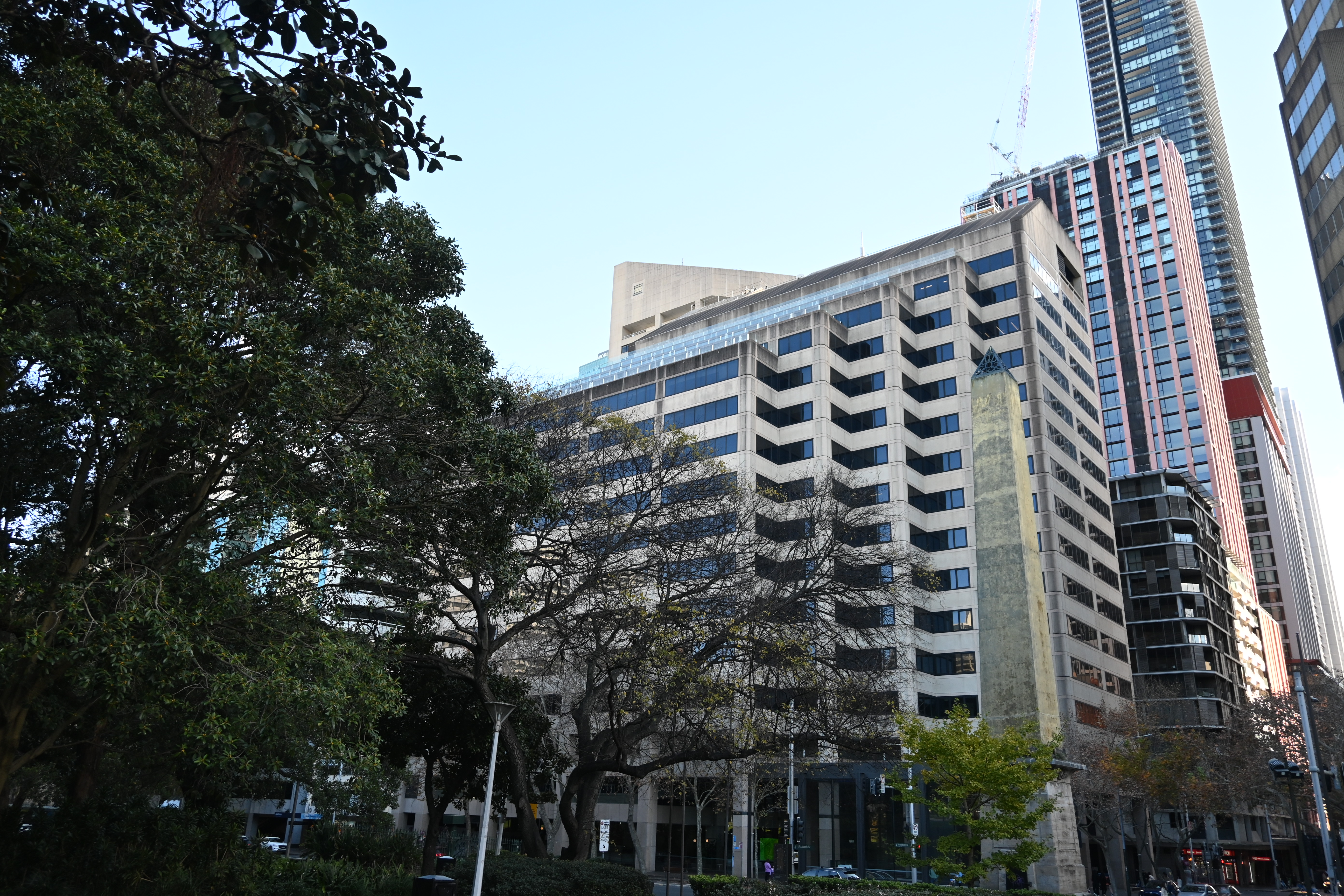
The council then put this view into practice, by in 1971 approving the 39-storey (164m high) Temperance and General Mutual Life Assurance Company tower on the corner of Elizabeth and Park Sts. This building put a 100m wide section of southern Hyde Park, including the Anzac War Memorial, into shadow by 2pm in mid-winter.
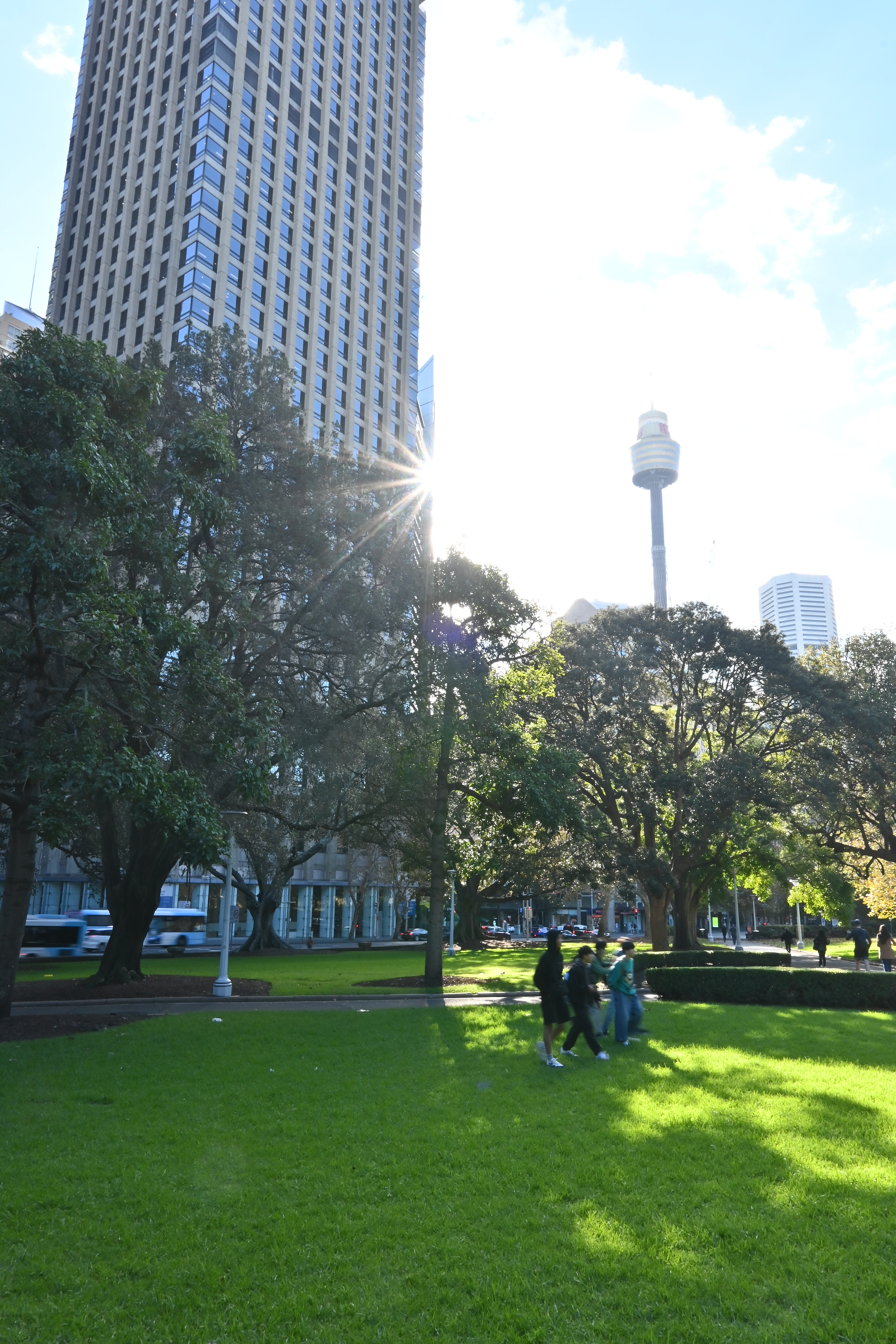
The council’s assessment report did not contain a word about this shadowing problem.
By the early 1980s, however, views had changed.
In the intervening ten years, there had been a significant focus on the need to consider the environmental impacts of new development projects, including privacy and overshadowing.
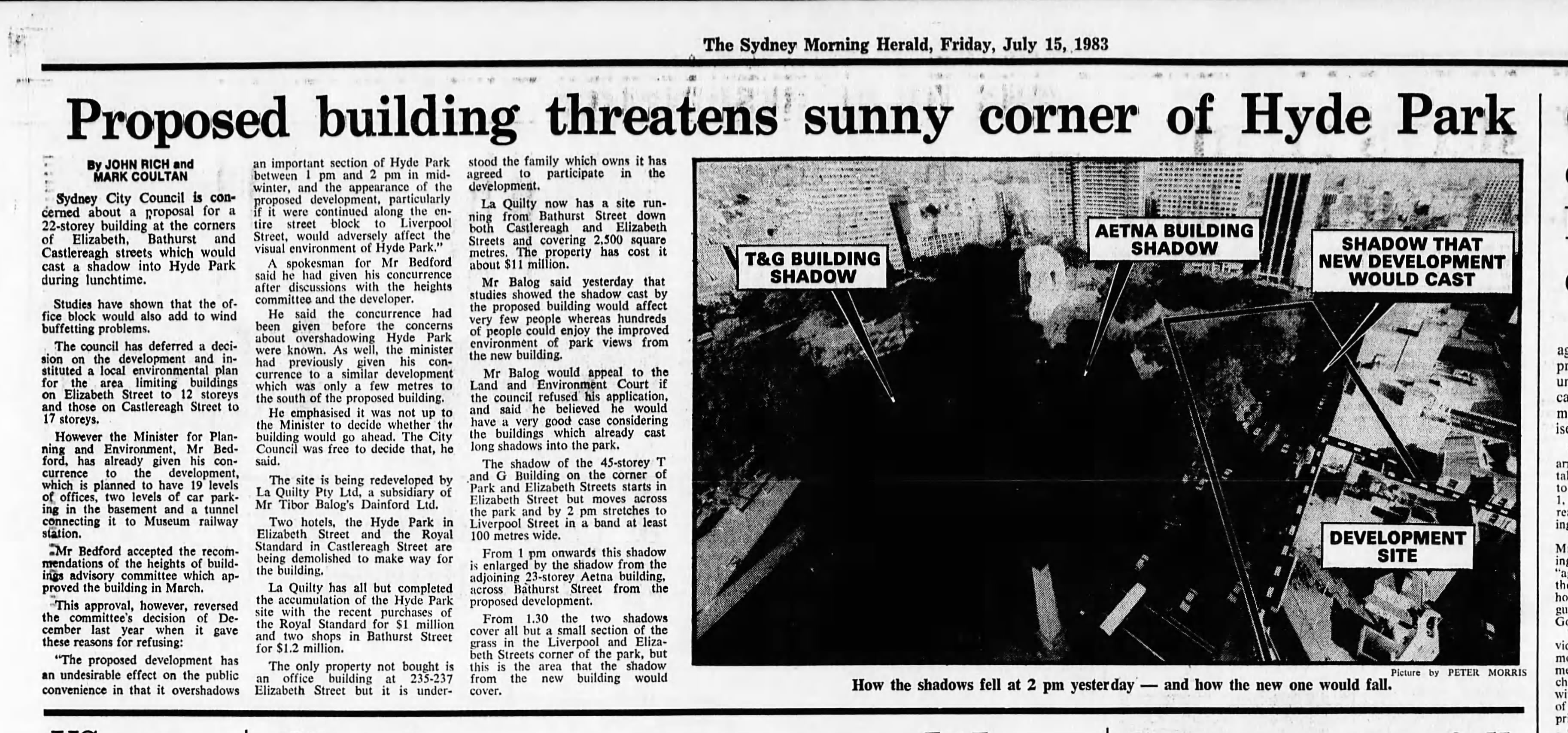
In July 1983, the Sydney Morning Herald broke the story that a 22-storey (75m high) building, by developer La Quilty Pty Ltd, had been approved on Elizabeth St despite the fact it would cast a new shadow into southern Hyde Park.
2GB radio talkback host John Tingle was immediately on the case, using his considerable audience and influence to campaign to protect the park.
The NSW Ombudsman undertook an investigation and found the approval had been tainted by the then Planning Minister, Eric Bedford, inappropriately writing to the NSW Government’s Height of Buildings Advisory Committee in favour of the proposal.
The Ombudsman found that Bedford’s action had incorrectly swayed the committee, which would have otherwise taken a position protecting the park.
In May 1984, a few days after the Ombudsman report was tabled in NSW Parliament, the then Attorney-General (and former Planning Minister) Paul Landa used the report’s information to challenge the legality of the building’s approval.
This was a surprise step and one which would be unlikely to happen today – an Attorney-General challenging the decision of a Cabinet colleague from the same political party.
In October 1984, the NSW Land and Environment Court heard Landa’s case and found the building’s approval had been wrongly influenced by “extraneous matters” – namely Bedford’s letter and message – and therefore declared it null and void.
NSW Ombudsman George Masterman stated in a final June 1985 report that Landa’s appeal was “truly a decision in the highest traditions of Attorneys General, and one which has been a benefit to the citizens of Sydney”.
“Hyde Park is one of the few major parks in the Sydney City area, and to allow that park to become shaded and uncomfortable in the winter months would have been a tragedy for those who work and live in the city,” he wrote.
Sadly, Landa passed away in November 1984, just one month after the court ruling.
Since this time, sun access protections have been introduced for 10 parks across central Sydney, including Hyde Park, guaranteeing at least two hours of sunlight to these areas even on 21 June. Protections are also in place for Martin and Macquarie Places, outside of winter.
Similar controls have been introduced in many other parts of Sydney and NSW.
These controls remain at constant risk of being challenged by developers.
For instance, in 2011, during a review of city planning controls, developer Meriton submitted that there was no need to retain the controls during eight weeks of winter because “people don’t use the parks…because it is too cold in the sunlight.”
The concept got short shrift with council staff.
“It can be particularly pleasant on a still mid winter day basking in the sunlight,” was the sardonic response from council staff in reply to the Meriton idea.
In conclusion, today is the day we can all honour the work of a civic-minded talkback radio host, and an Attorney-General willing to launch a legal action against his own party, for their work to save us from the shadows.
Discover more from Changing Sydney
Subscribe to get the latest posts sent to your email.

 Changing Sydney