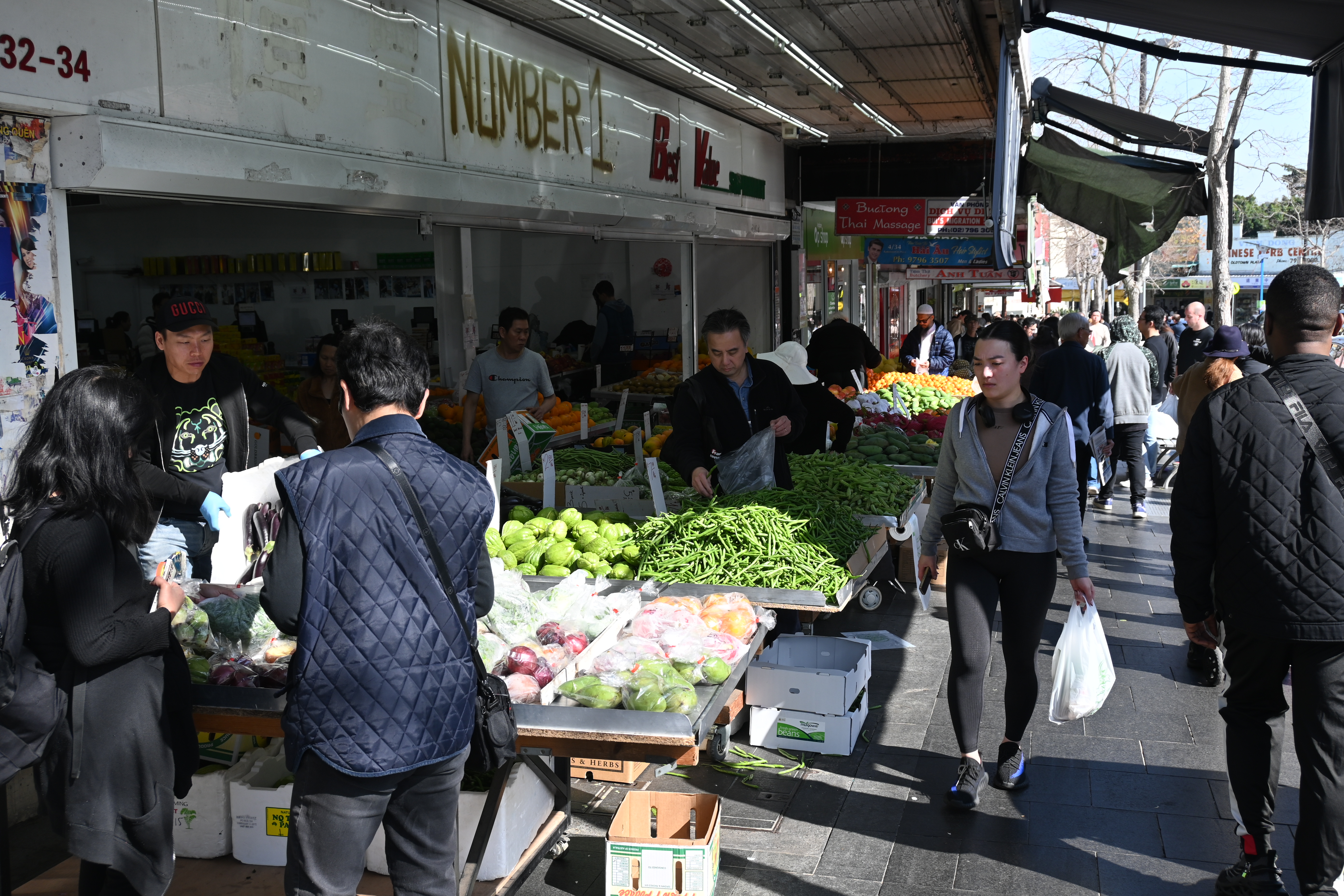
It’s 10.30am on a Saturday morning, and Saigon Place is in full swing.
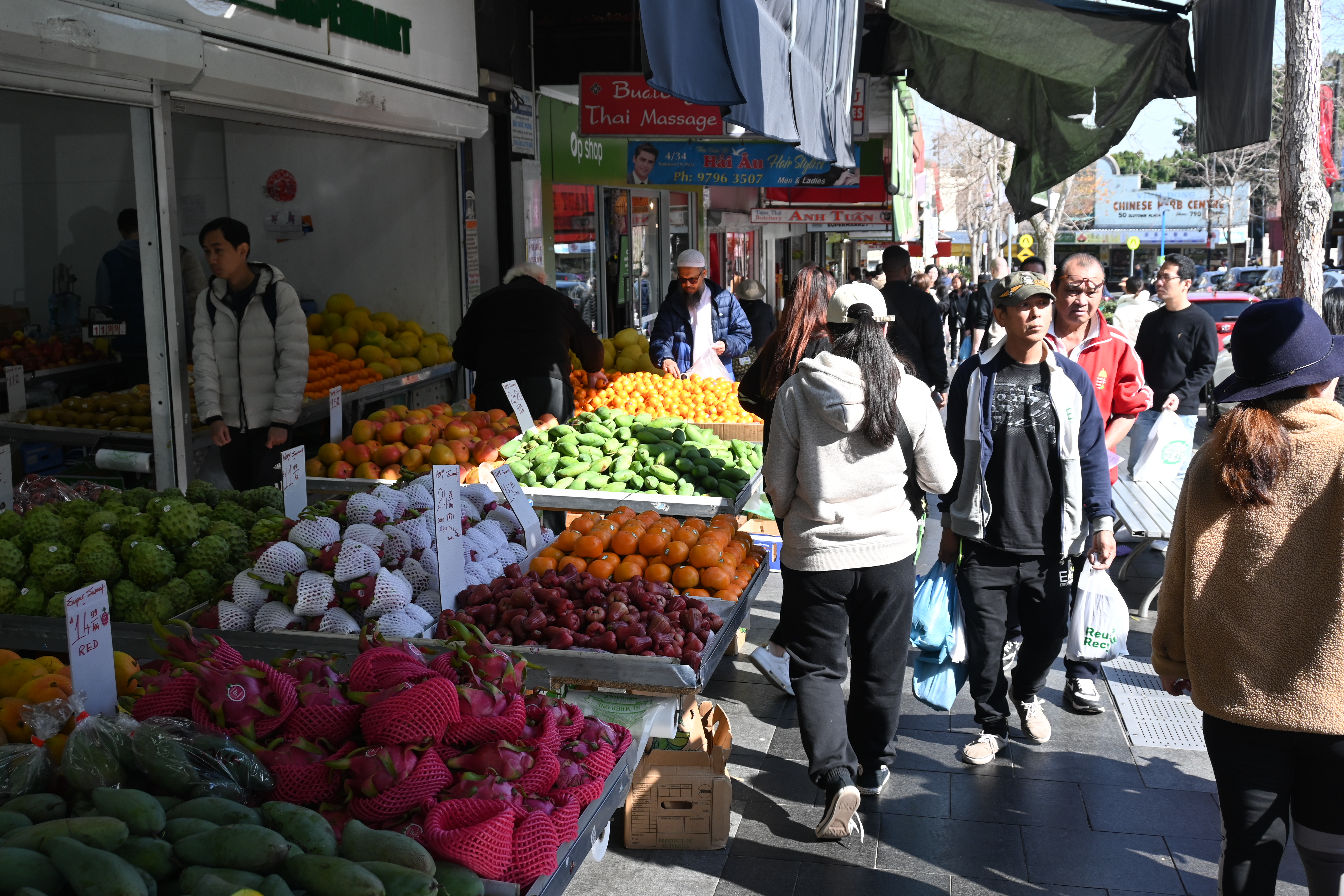
Speaking in Vietnamese, greengrocers bark out prices, hoping to entice the hordes of passers-by to purchase exotic fruit and vegetables laid out on the footpath.
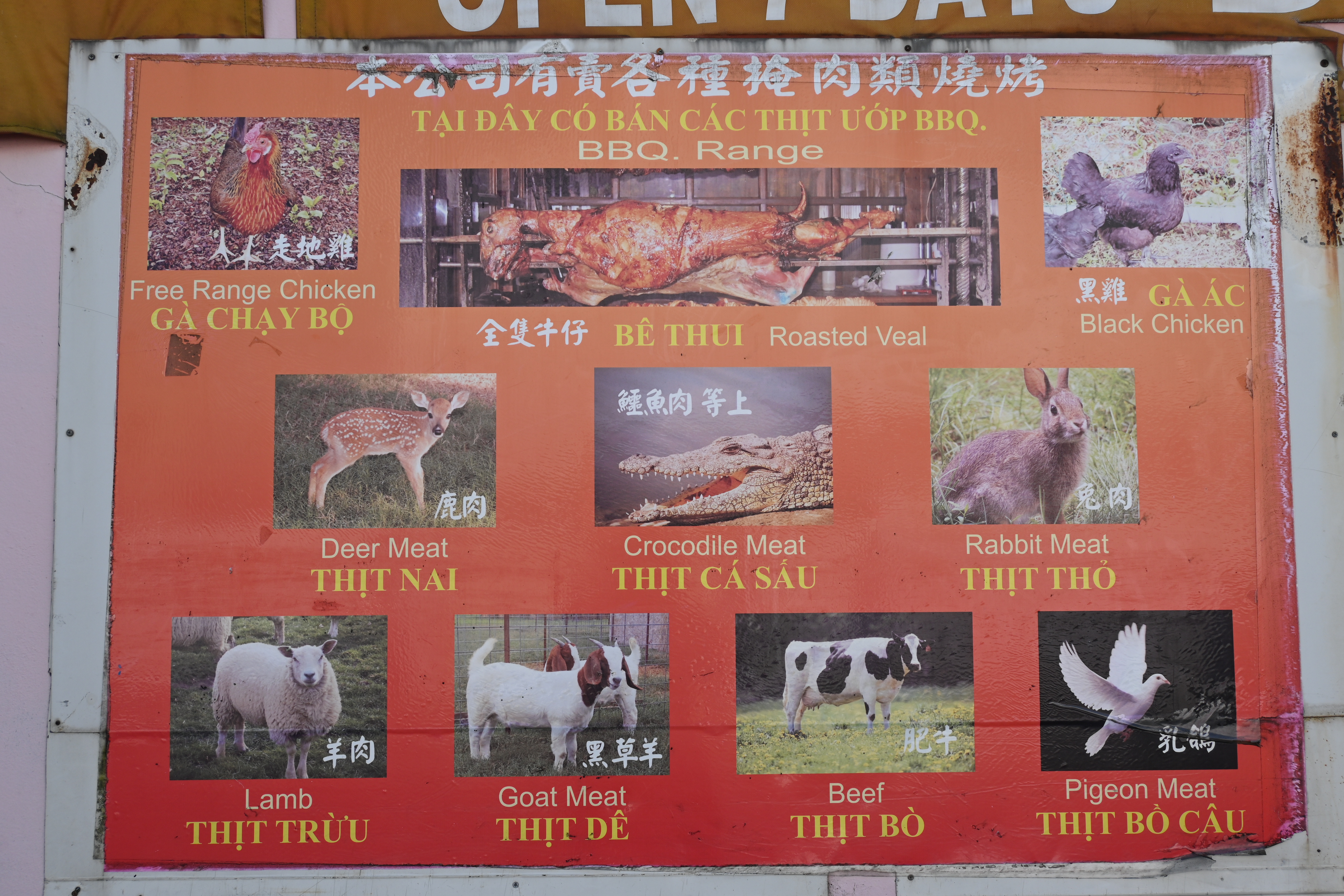
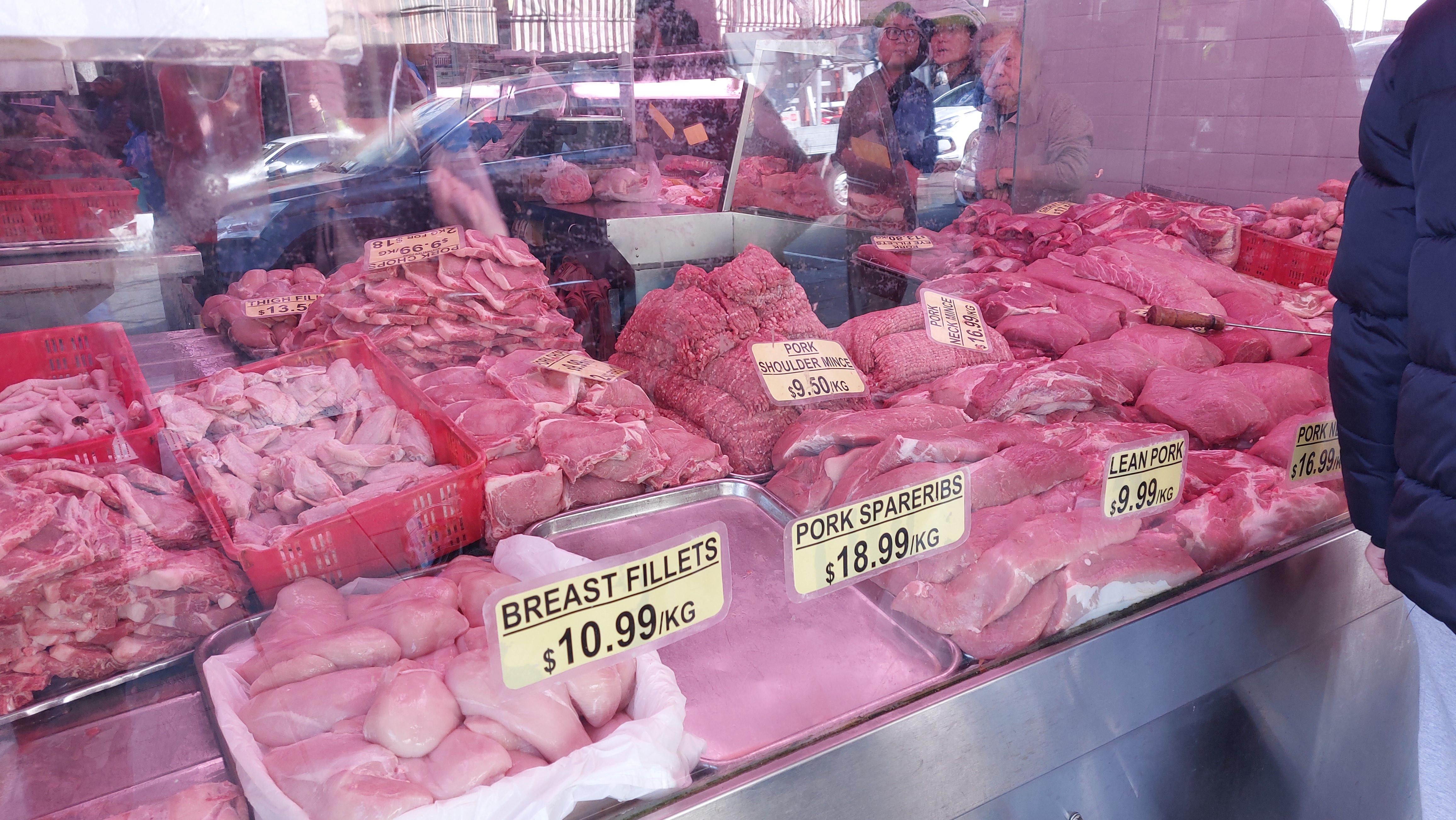
Shoppers line three-deep in butchers, waiting to purchase both traditional meats such as pork and beef, and unusual meats such as crocodile, black chicken, rabbit and pigeon.
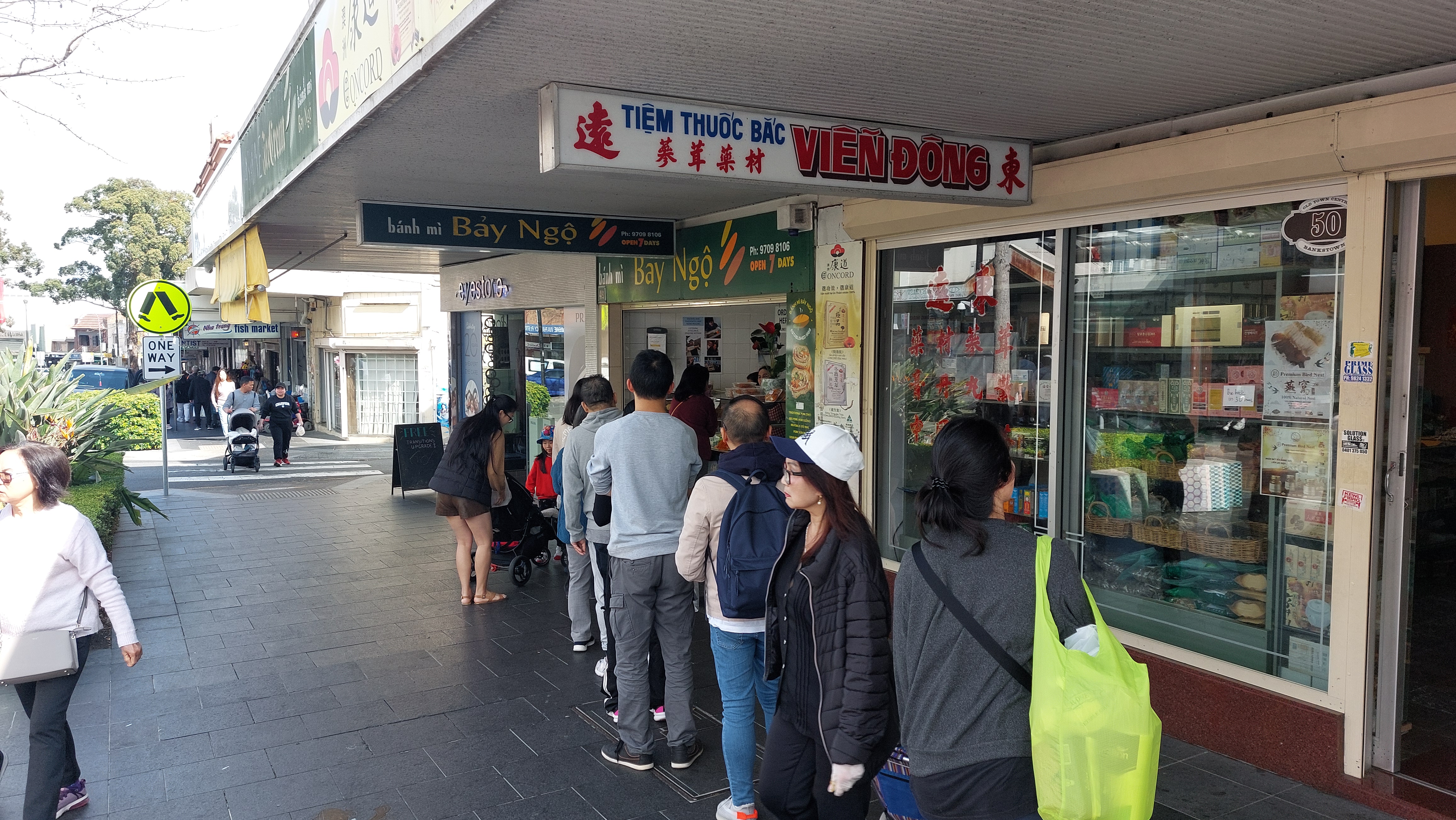
Meanwhile, queues up to 20 deep form outside banh mi shops, while men yell and whoop as they play a game of chance in a small seating area.
The entire scene is vital and exciting, and something you might find in a fresh food market at Hanoi or Ho Chi Minh City.
Except these scenes happen every weekend at Bankstown, in south-western Sydney.
Now news has broken that Saigon Place’s unique character is set to be preserved, as part of plans to redevelop the Bankstown CBD area, alongside the introduction of Metro train services.
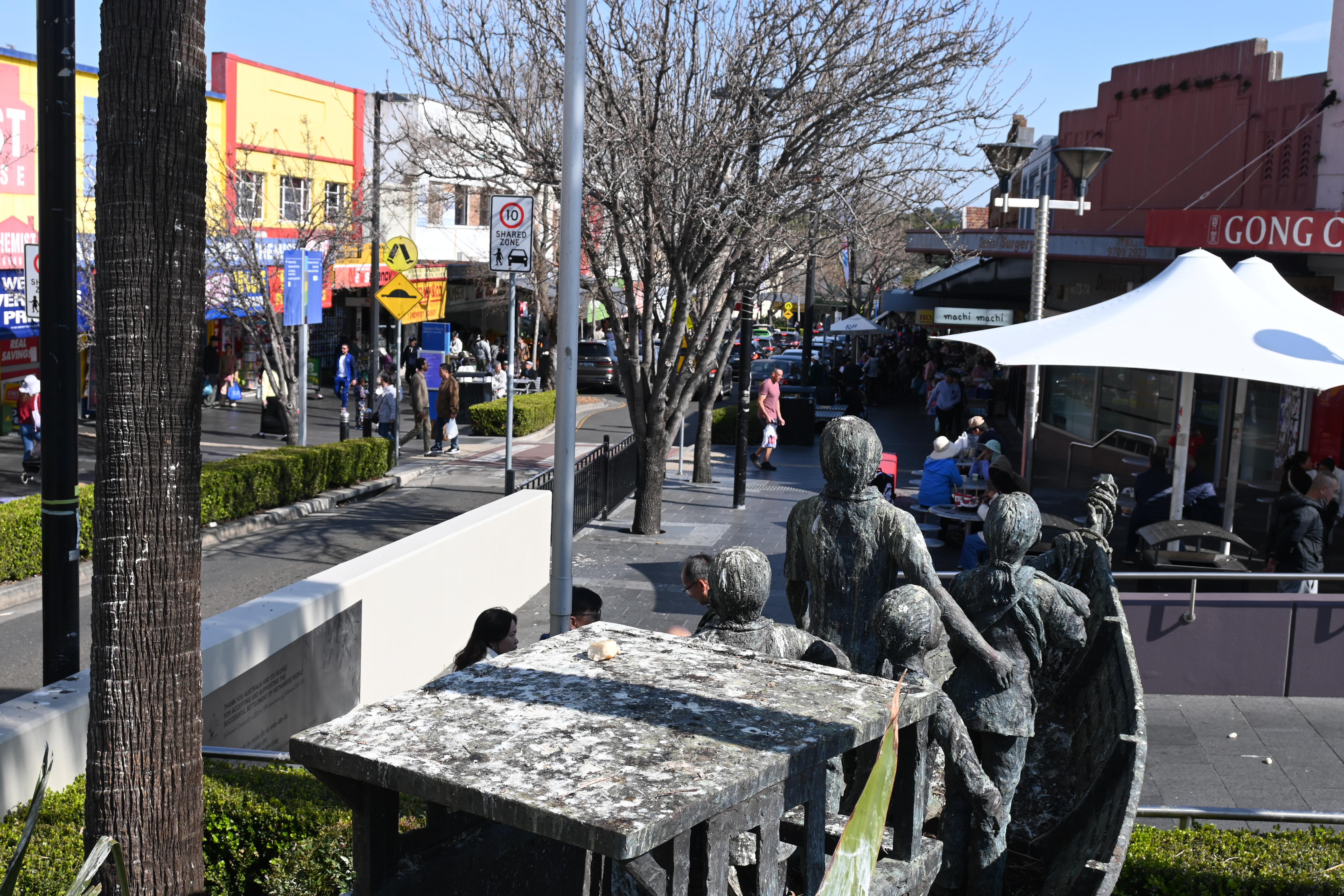
The name Saigon Place is semi-formal, recognised by a monument at its southern end but not officially by the NSW Geographic Names Board.
It runs for about 200m, across a dog leg at the intersection of Chapel St and Bankstown City Plaza, just to the south-west of Bankstown railway station.
The area was created in the late 1970s and early 1980s, by the many Vietnamese authorised migrant and unauthorised refugees who arrived in Australia to escape Communist rule in their home country. These “new Australians” settled in places such as Bankstown, Cabramatta, Marrickville and Fairfield, in south-west Sydney.
In 1982, the Sydney Morning Herald reported that, before the influx of Vietnamese businesses, the area now occupied by Saigon Place was “virtually dead” and was “never a smart or prosperous shopping area”.
There were real fears the area would never recover from competition from the nearby Bankstown Square shopping centre.
Today, the situation is very different.
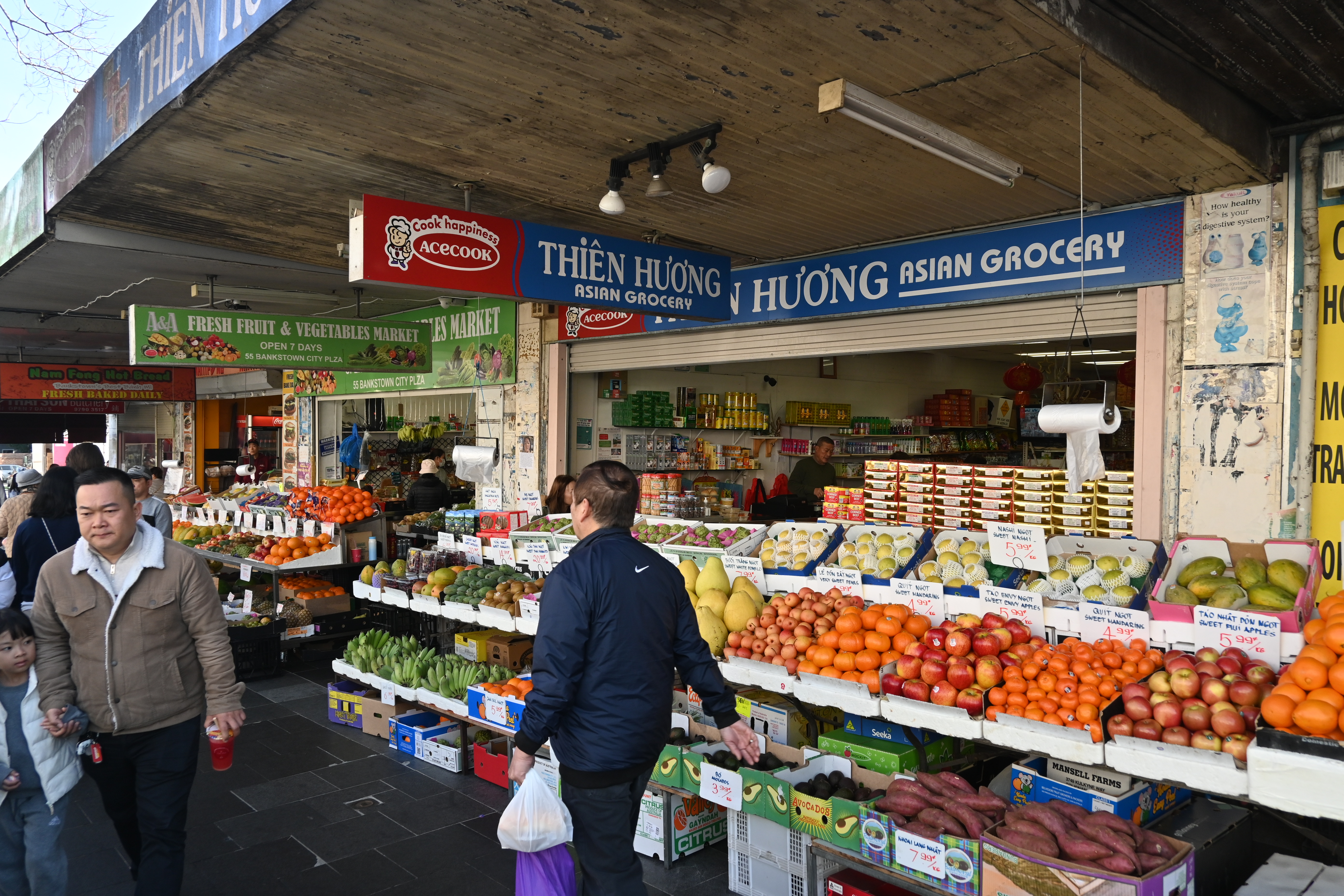
At Saigon Place, you can buy fruits unlikely to be found in mainstream businesses, such as sour mango (9.99/kg), keow savoy also known as sweet green mango ($20.99/kg) and coc also known as june plum ($7.99/kg).
Banh mi shops vie for business, one promising it is “Sydney’s best banh mi shop” and featuring four types of $7 pork rolls – traditional, BBQ, skin and sour. Another shop counter-sues by saying its banh mi is “the world’s best” and shows SMH reviews to prove it.
A fishmonger spreads his wares across the footpath, confronting passers-by with calamari ($31.99kg), Murray Cod ($28.99/kg), cuttlefish ($14.99/kg) and squid ($12.99/kg) – all placed on ice. Another fishmonger doesn’t bother with the ice and lets live crabs move around in a container on the footpath’s edge.

One butcher on the strip features more types of pork than you could ever imagine – belly ($17.99/kg) , shoulder mince ($9.50kg), neck mince ($!6.99/kg), lean pork ($9.99kg), leg roast ($8.99/kg), chops ($9.99/kg) and spare ribs ($18.99/kg).
The scene is completed with several monuments, including a sculpture showing boat people at the northern end installed in 2011 and one showing a traditional ngoc lu drum installed in 2016.
With this in mind, it was possible that the traditional character of Saigon Place would be threatened by NSW Government plans for the Bankstown CBD, by transforming its low-scale shops into modern mixed use towers. These plans are on exhibition until 30 August.
However, it’s a delight to see that the plans designate Saigon Place as a ‘no change’ zone – to “preserve its fine grain heritage character” – while concentrating growth in other areas to accommodate 12,500 dwellings and 15,000 jobs.
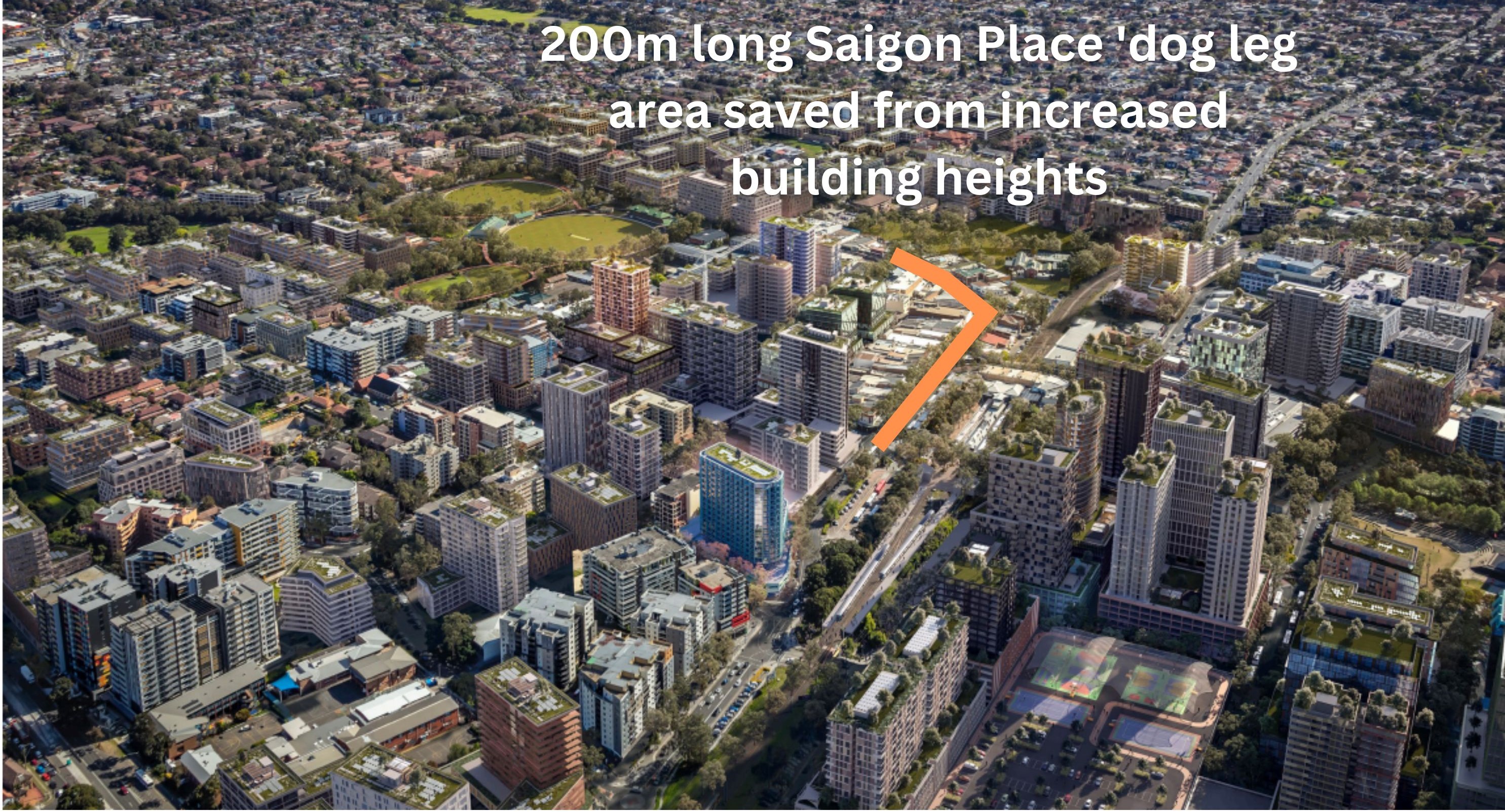
The decision is confirmation that one-size-fits-all planning is really not appropriate and that it is far better to undertake planning to respond to an area’s unique features.
The decision is also a sign that development is not always good – sometimes it can actually end up destroying what is special about a place.
It’s an approach that is already in place in the Sydney CBD, where the City of Sydney Council has for many years restricted building heights around Chinatown’s Dixon St mall.
Discover more from Changing Sydney
Subscribe to get the latest posts sent to your email.

 Changing Sydney
1 Comment