On your typical Saturday morning or night, Marrickville’s Illawarra Rd is a feast for the senses.
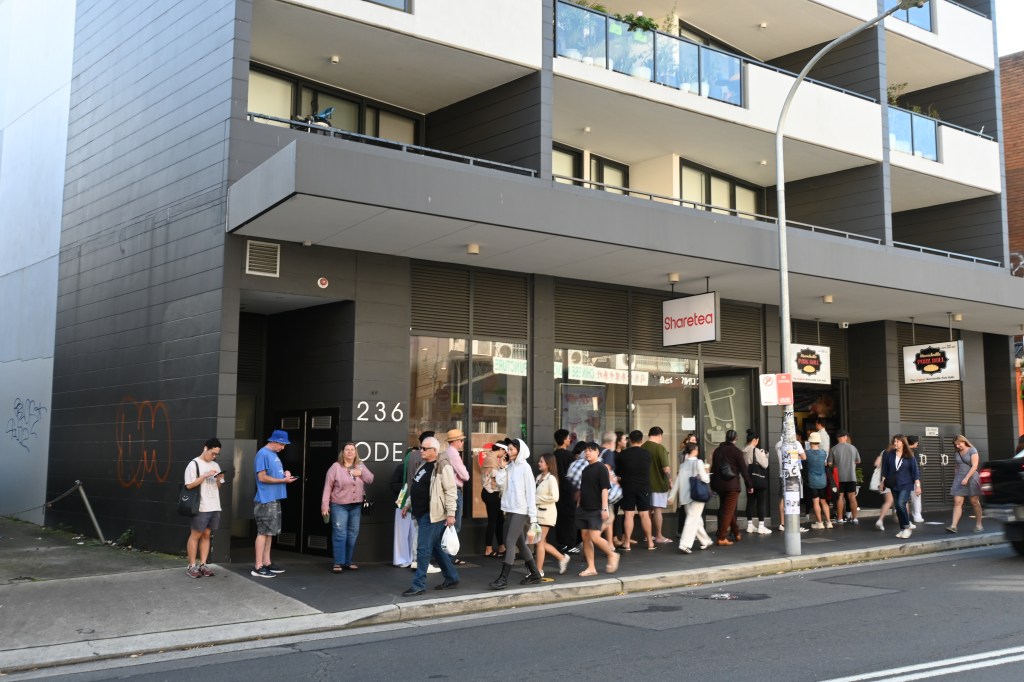
In the morning, there’s the queues for the butchers, the fruit and vegetables stores and the famous banh mi store.
Space on Illawarra Rd’s cramped footpaths is at a premium, due to pedestrians scuttling to and from shops or restaurants, or diners taking up outdoor cafe seating.
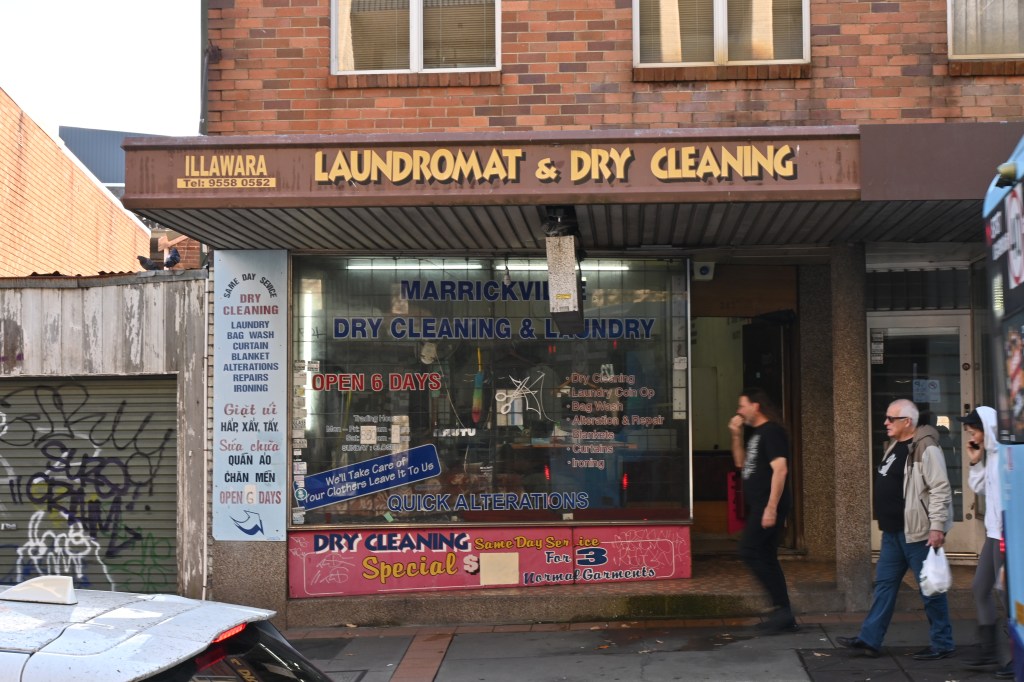
Many of the butchers, restaurants and grocery stores are Vietnamese, with signage you’d be more likely to find in downtown Saigon. It’s no wonder that Inner West Council has named this area Little Vietnam.
At night, the mood changes. The Vietnamese theme is still there but has competition, as fancy wine bars and restaurants open. The famous Lazy Bones music venue cranks up. It’s not quite as busy as the day, but there’s still a safe and buzzy feel to the place.
Marrickville’s vibrant and eclectic scene is to some extent supported by its chaotic approach to land-use planning. It’s a mixture of the old, new and odd.
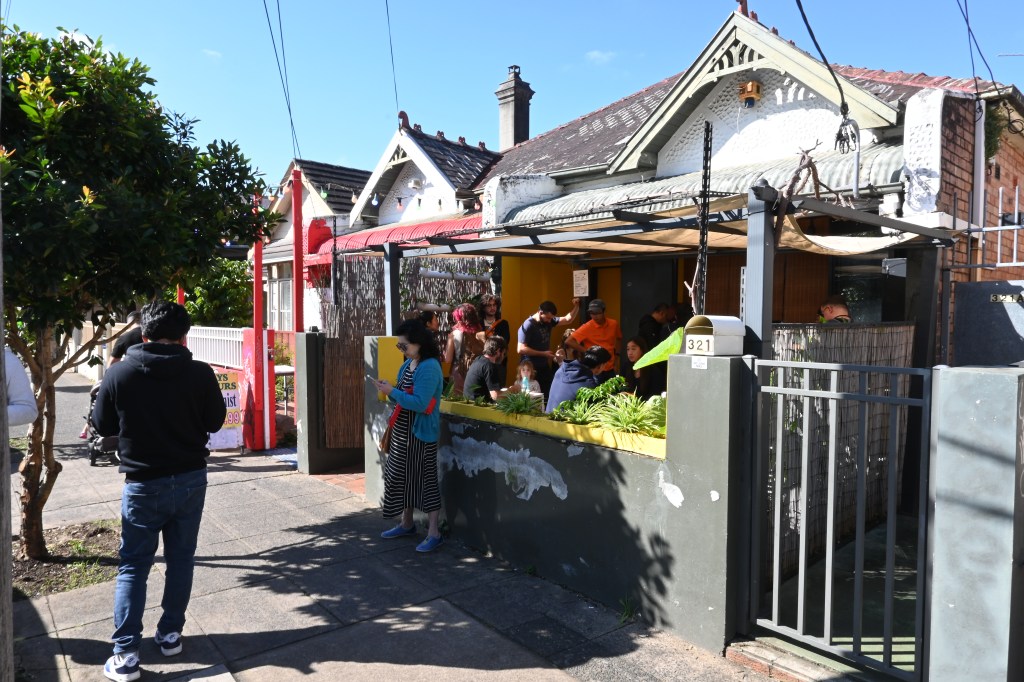
While you have the traditional newer shop-top apartment buildings, there’s also the unusual sight of individual Federation homes in the main street. Some of these homes have been converted to surgeries and even cafes (with service through the front window).
You’ll also find bustling standalone grocery stores, several with Asian greens and vegetables, and terraced stores below historic facades.
It’s a bit of everything, and a bit of nothing, and the resulting variety and confusion makes it an interesting urban place.
Marrickville street scenes

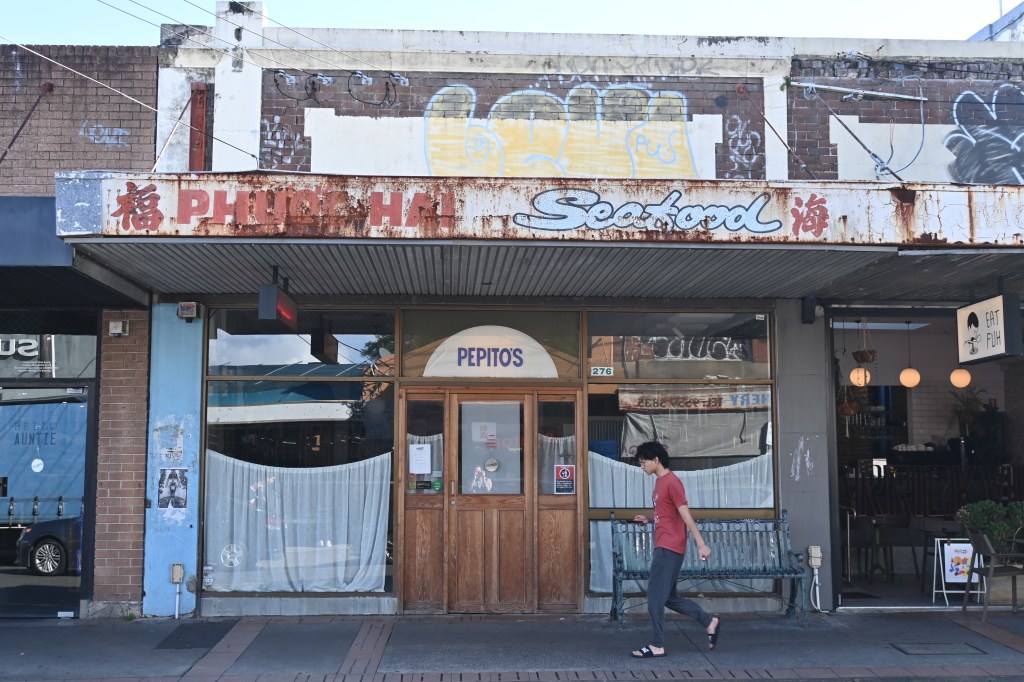
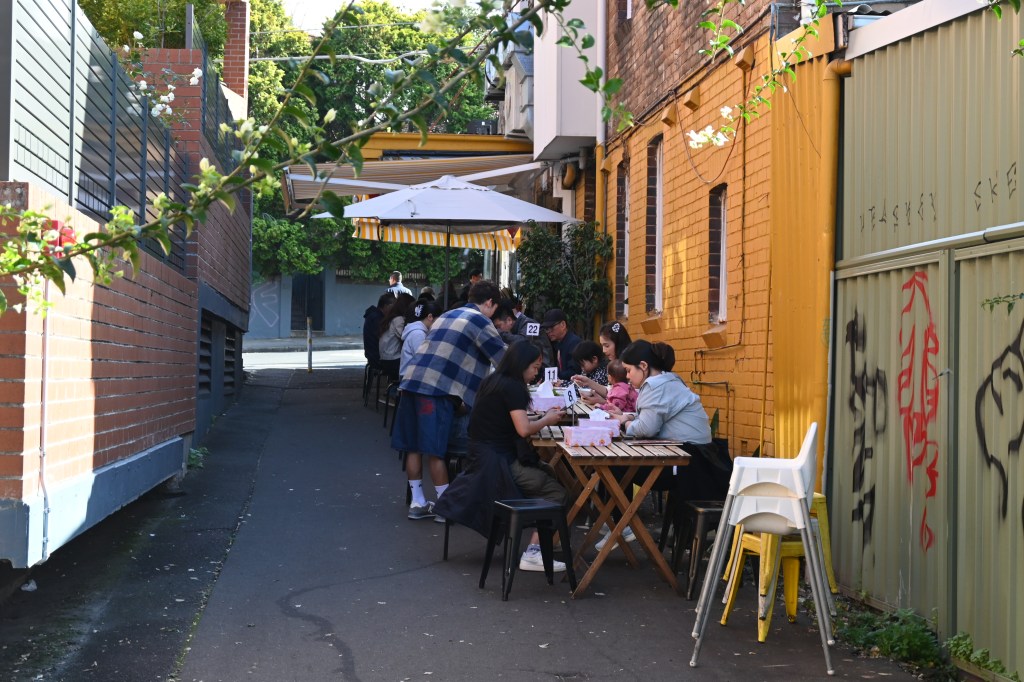
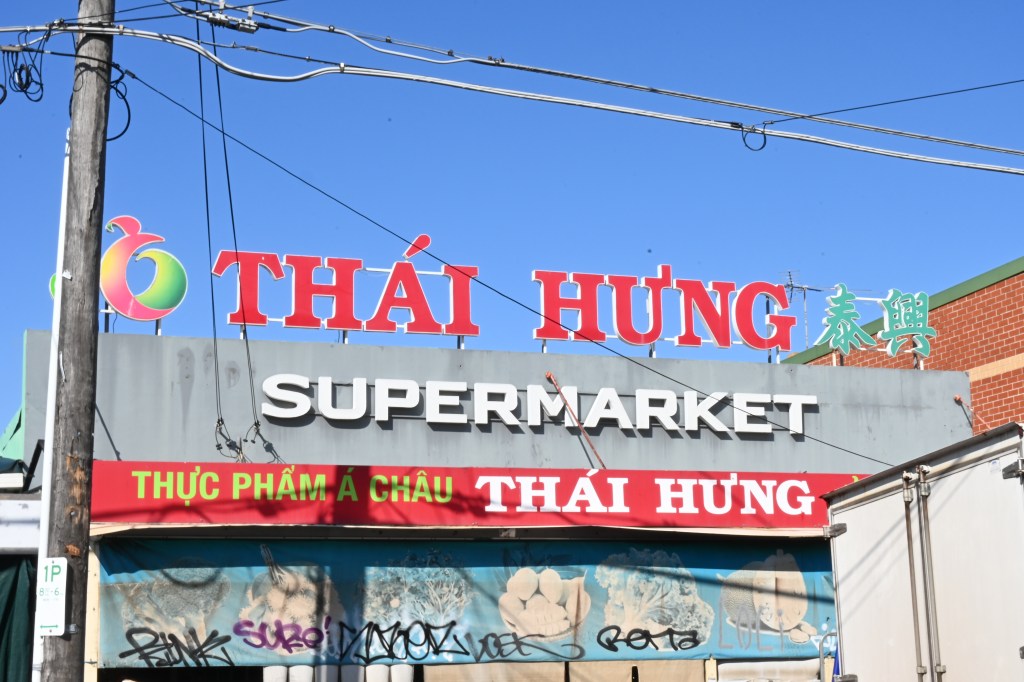
Marrickville is also supported by its urban hinterland.
Just like the main street, you have a mixture of built-form – older unit blocks, terrace homes and single and double-fronted Federation homes.
To the south of the station, the steep hill means some streets have higher and lower sections, including being divided by stone block retaining walls built in the Great Depression.
The hinterland urban environment is not slick, but it’s also not grungy. You could probably call it authentic and unpretentious.
There are genuine untouched Victorian and Federation gems, but also plenty of modified or newer homes that tell the story of the suburb’s role in the great European migration wave of the 1950s and 60s, and unit blocks possibly built by these migrants in the 1970s and 80s.
Marrickville is certainly not a cheap place to live, but – compared to the average Sydney price – it’s also not outrageously expensive. The suburb’s average unit price in April 2025 was $915,000, not far off the average Sydney unit price in May 2025 of $854,968.
There are also 27 registered boarding houses in the suburb, along with a number of other ‘rental only’ affordable housing complexes which are not registered as boarding houses.
As an urban place, Marrickville is – right now – probably the best it’s ever been.
But changes are coming.

The hint to the future can be seen in the pink buses scuttling up and down Illawarra Rd.
They are rail replacement buses, in place to transport commuters while the former Bankstown Sydney Trains line is converted to a Metro line. By next year, Marrickville’s town centre will be serviced by high-frequency and driverless Metro trains.
This Metro wasn’t built to service Marrickville’s existing population.
It was built to meet Sydney’s insatiable demand for more housing.
And that means Marrickville is now a development hotspot.
On 22 May, Inner West Council released draft plans showing exactly how this development is proposed to happen.
Along Illawarra Rd, building height limits are increasing from around 20m to anywhere from 28-42m.
That could mean the end of those weird little homes on the main street, and the rudimentary and busy grocery stores and butchers, replaced by modern shop-top housing. The Lazy Bones music venue is also a potential development site.
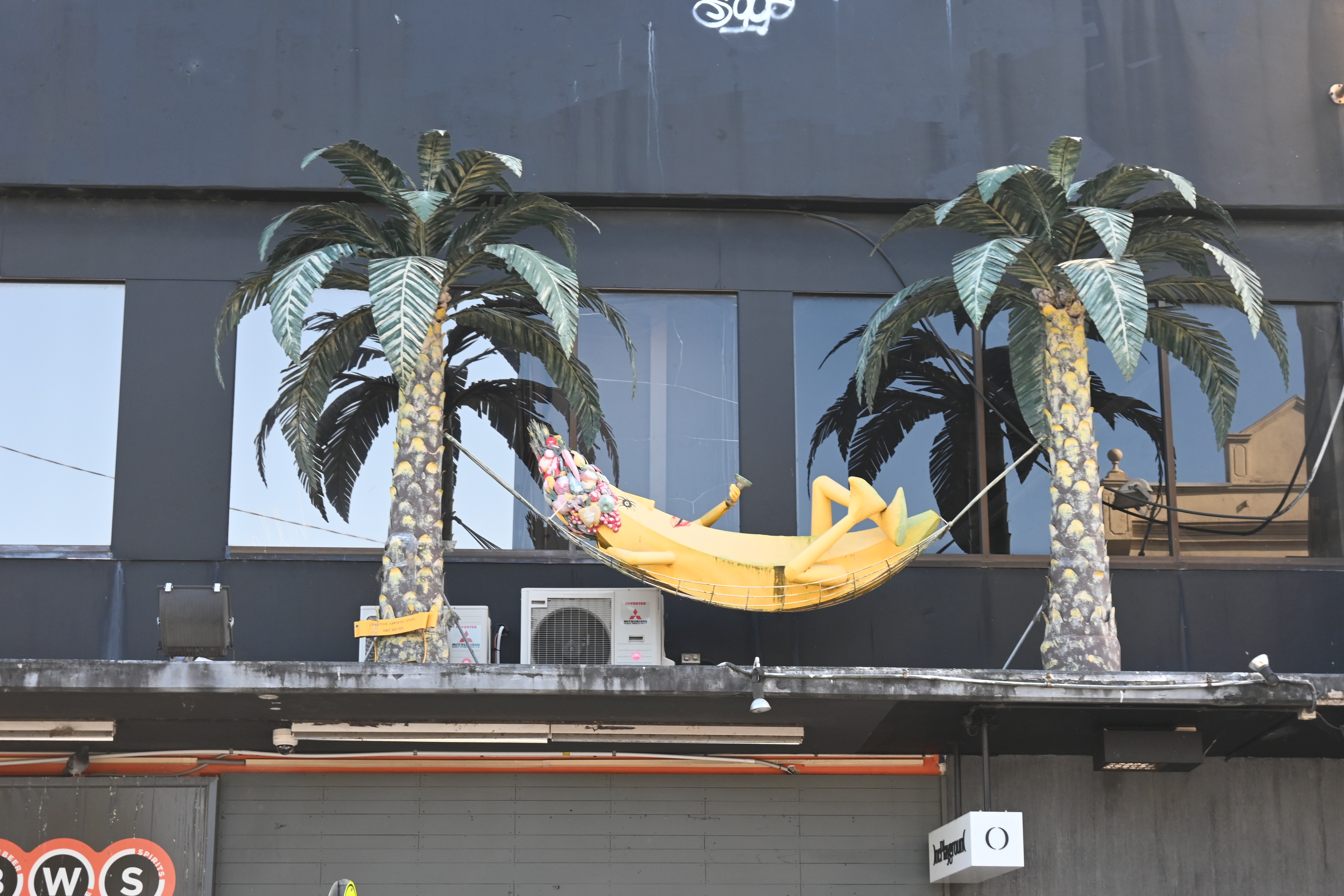
The site of the main supermarket – featuring the locally-famed Banana Joe’s awning mascot – is set aside for a 12-storey tower. Could that mean the end of the mascot?
This is a different approach compared to the vision outlined for the vibrant Vietnamese precinct known as Saigon Place at the Bankstown CBD (another Transport Oriented Development precinct). In August last year, the NSW Government released plans for Bankstown which designated Saigon Place as a ‘no change’ zone.
Marrickville’s Little Vietnam is instead being designated as a change zone.
The urban hinterland could have even greater transformation.
Around 25 streets are proposed for rezoning from low and high density, with new buildings proposed to have heights up to 34m (that is around eleven storeys).
The heights across the suburb could actually be several storeys higher, if a range of incentives are used.
And those boarding houses? Well at least ten are on sites that are proposed to be rezoned to residential high-density status. They are now under threat.
Affordable housing now in development zones
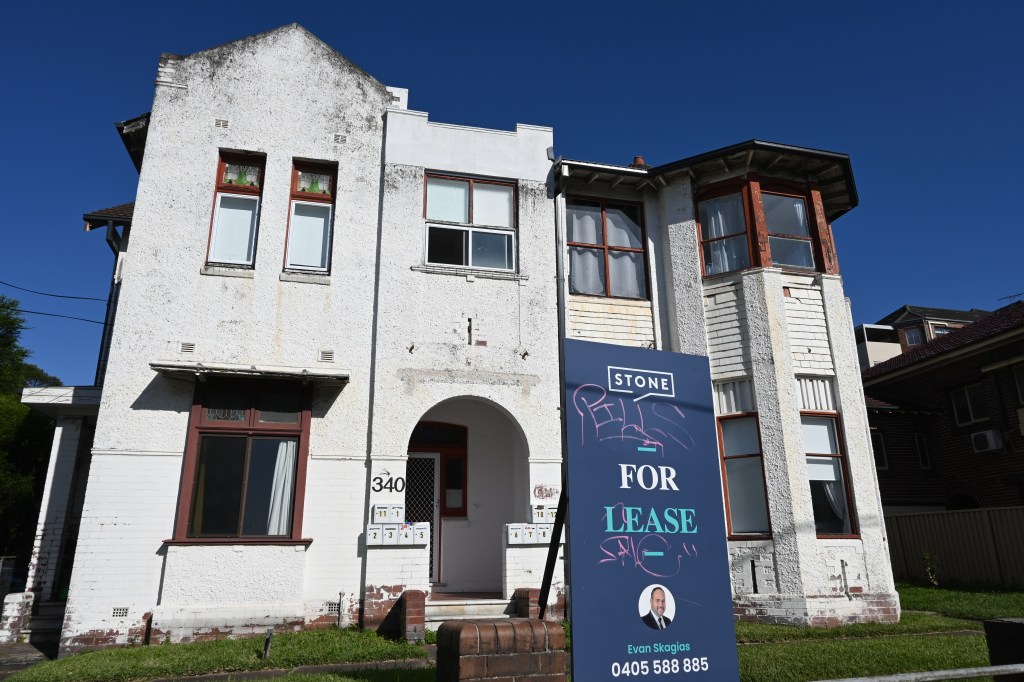
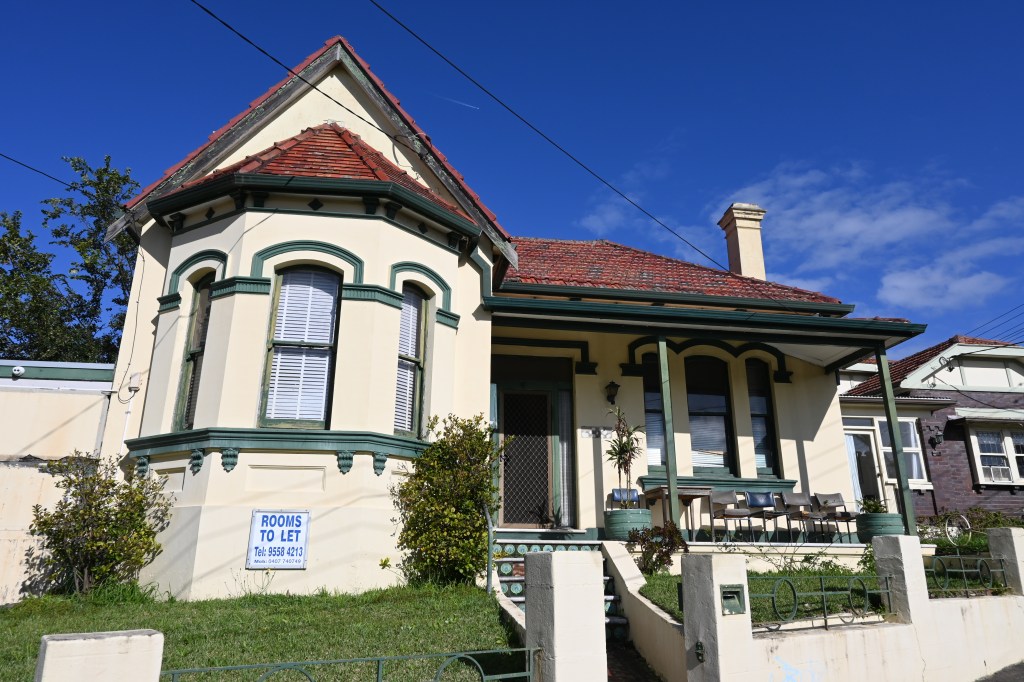
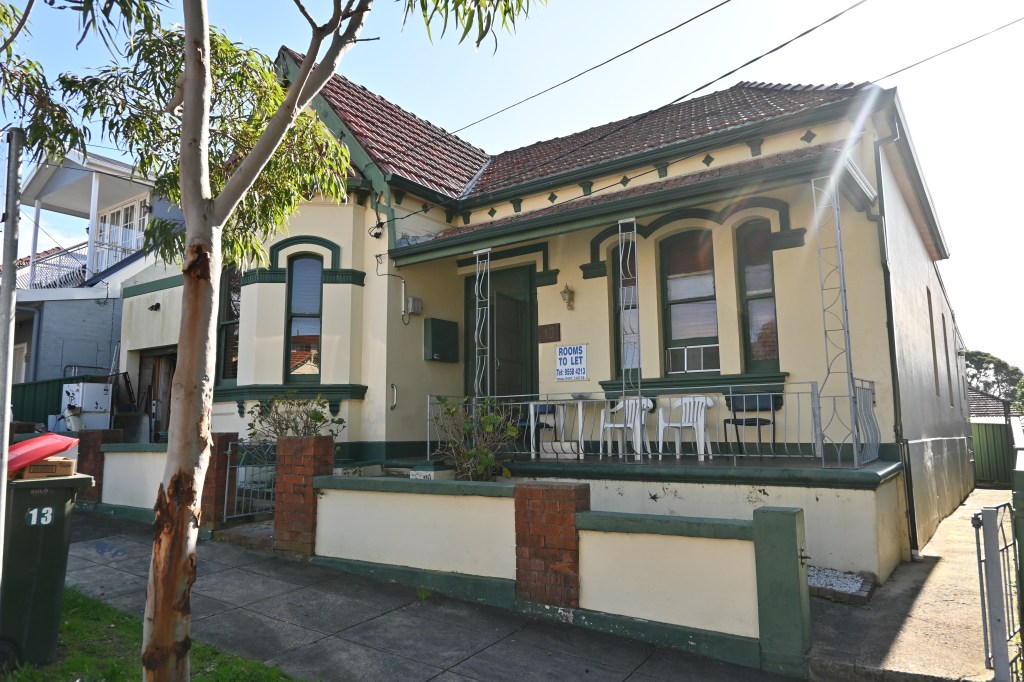
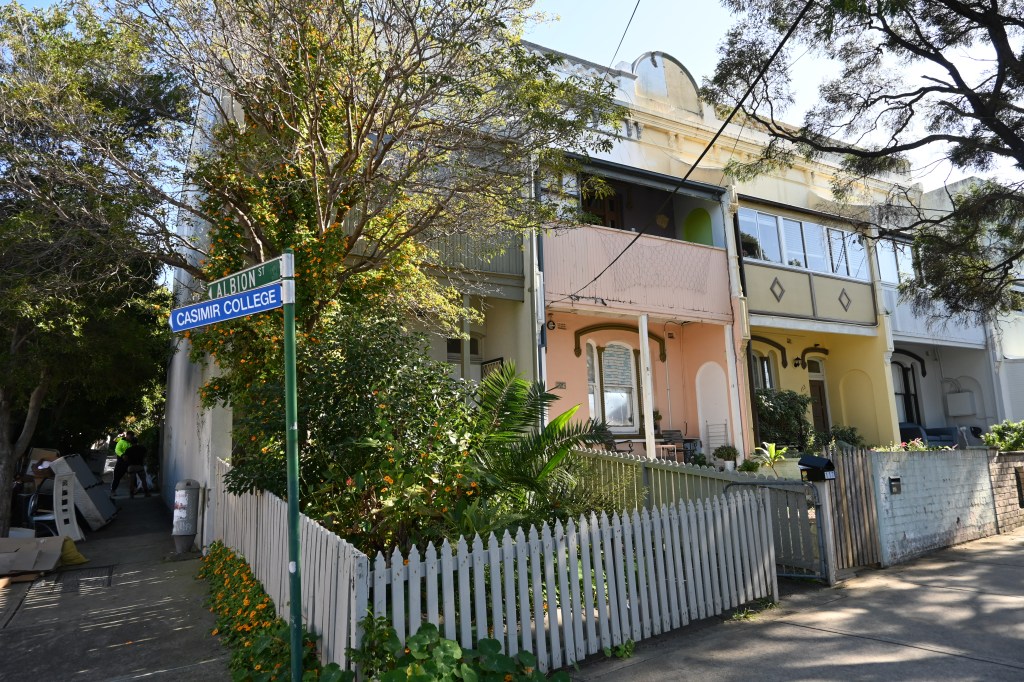
The affordability status of the future Marrickville is unclear.
Replacing expensive freestanding homes with units will certainly be an affordability gain, but according to developer analysis the new two-bedroom units will need to be priced at more than $1.3 million to be viable.
After a $100,000 deposit, that would involve a $1.2m loan resulting in $1,630 weekly mortgage repayments for 30 years. This scenario is not for the faint-hearted.
There will be a range of rental housing, including subsidised and smaller-sized housing, as part of the development wave.
But will it be enough to offset the loss of – and compare in price to – existing affordable rental housing, such as the boarding houses?
We don’t know – because there’s no analysis of this issue.
As for the suburb’s character, that seems a little clearer.
Marrickville’s disorderly but attractive street appeal will be replaced by the more conventional order of programmed new development.
Perhaps this inevitable, or the right approach.
But the danger is that Marrickville becomes just another generic main street and suburb.

Discover more from Changing Sydney
Subscribe to get the latest posts sent to your email.

 Changing Sydney
it should be a no change low key eclectic entertainment precinct that has enormous character. The loss of this village will be devastating to this vivrant social community.
Unfortunately, not only the proposed redevelopment of Illawarra Rd will destroy the village character but it will not offer accessible housing for the average workers. The proposal will only give land availability to developers. The broad rules of distance to a train station for a planning decision , while understandable cannot apply to all cases. Proper planning work should be applied to keep the character of a village centre including building height and character frontage that should keep its eclectic urban language. Marrickville has become a small entertainment hub with music venues and ethnic influence that should be maintain.
then what’s the solution? People want to live in the inner west. Illawarra rd going south towards the river is a rubbish strewn dump.
no one can control housing prices. This is happening in all first world countries.
While people complain about govts offering benefits like negative gearing to investment property owners, they don’t realise that without those tax benefits, investors cannot afford to keep the property … unless tenants pay a rent that matches the mortgage debt, and that’s simply not possible or desirable. Without negative gearing, owners (in name only; they hold huge debts to The Bank against the property so it’s the bank who functionally owns it)would have to sell. A glut of properties would be on the market, massive losses for aspirant, a acreage investors would result, but the homes would still be unavailable to those who need to rent and/or can’t afford to buy, and so most importantly, the tenants would be homeless.
Negative Gearing IS governmental public housing support.