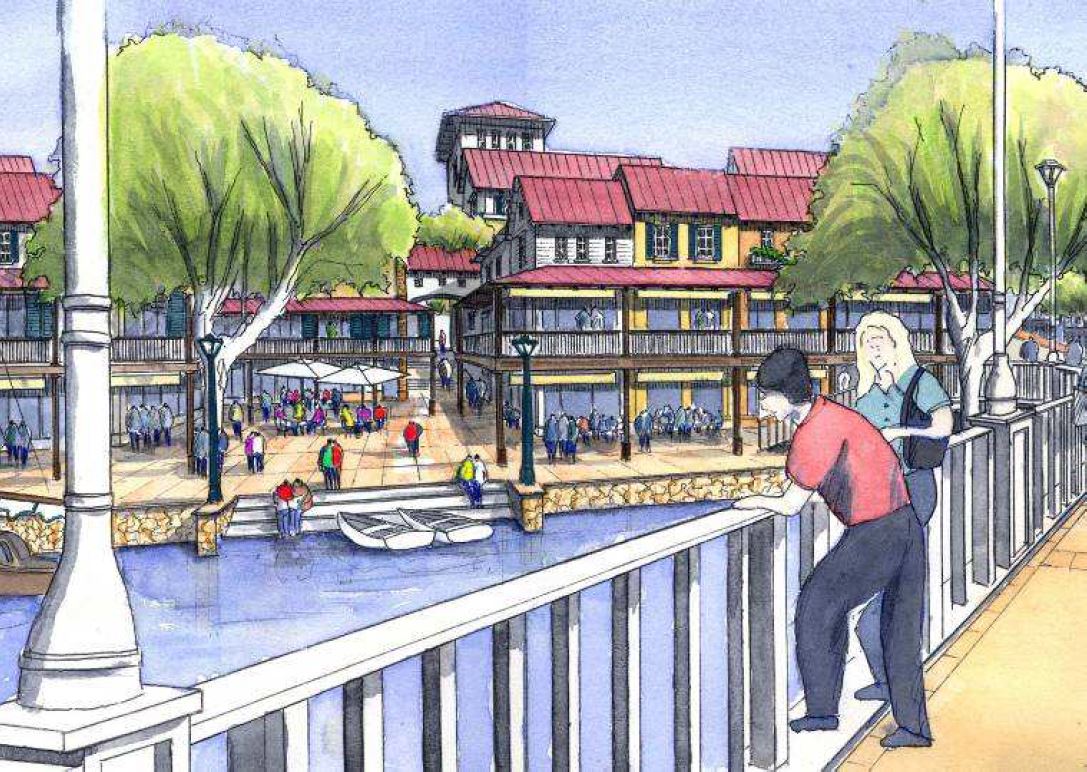
If the artist’s impressions were to be believed, Sydney’s Canterbury town centre was going to discard its inglorious past as a rundown traffic sewer and instead be transformed into a high-class riverfront dining and living precinct.
The images showed the town centre looking like something you’d find alongside the Grand Canal in Venice: with well-designed low-scale buildings, al fresco cafes and wharves where people could hop on and off boats.
Instead, the centre’s renewal has been an unmitigated disaster, delivering dangerously unsafe apartment buildings, dreadful design, urban blight and none of the benefits outlined in those original artist’s impressions.
The story of the Canterbury town centre is now well-worth telling – as it provides clues as to how to avoid these sorts of problems in the future.
It all started back in the early 2000s, when the former Canterbury City Council decided to create a masterplan for the centre, located about 10km from the CBD in Sydney’s inner south-west.
The masterplan proposed to turn an industrial area south of the station into a high-rise urban renewal precinct, which would include a new north-south links between the station and the Cooks River and an enhanced, activated and widened riverside promenade.
To the north of the station, the masterplan encouraged new mid-rise development along busy Canterbury Rd to renew the area’s historic strip of retail shops, which had fallen on hard times and displayed many retail vacancies.
What could possibly go wrong? Well, as it happens, just about everything.

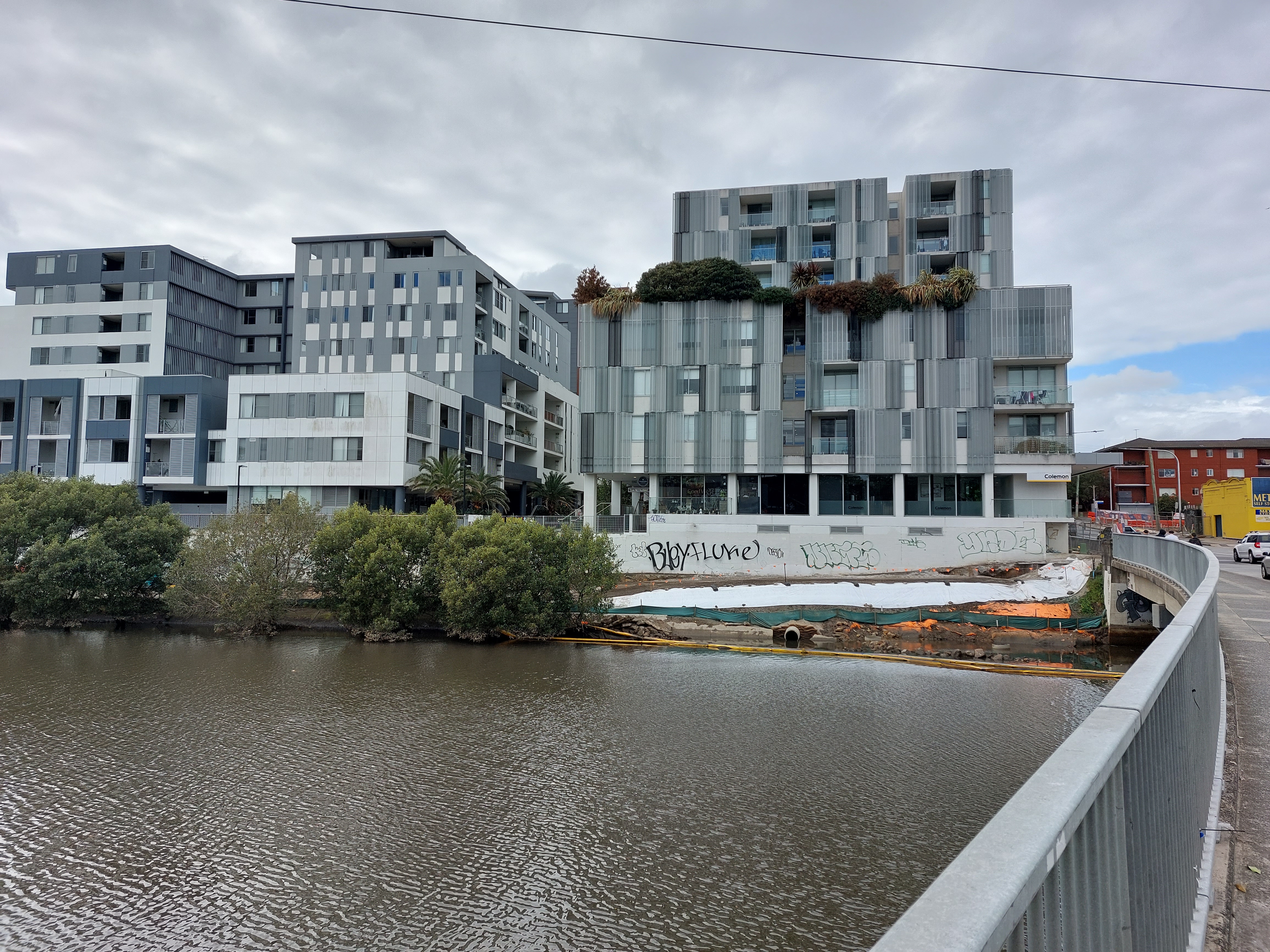
For starters, it was never really an option to have waterfront dining along the Cooks River. This is a highly urbanised and historically polluted waterway, lined with mangroves and quite smelly at low tide when the mud bank is exposed.
It’s far removed from the canals of Venice or the bays of Sydney Harbour.
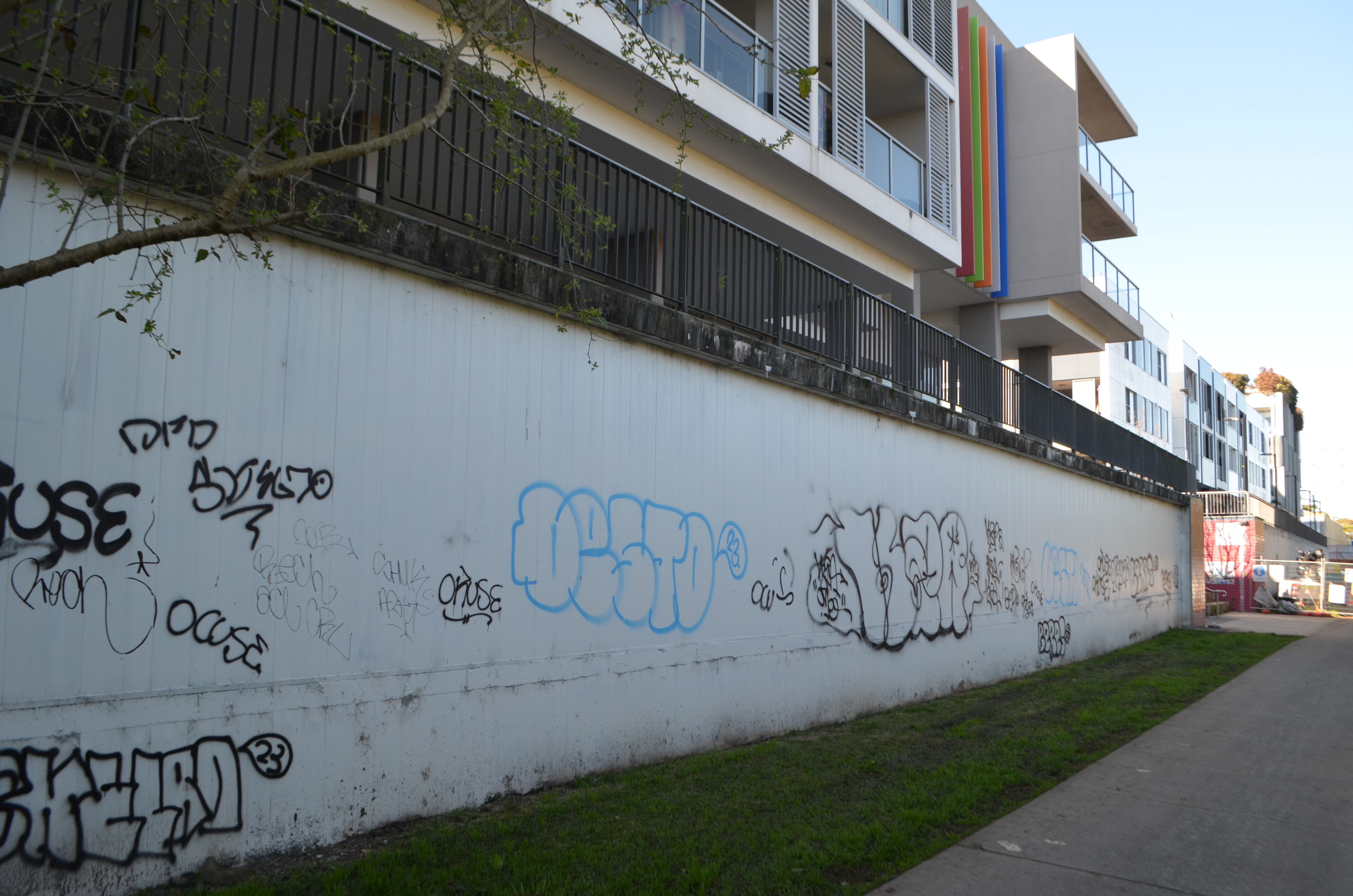
Developers didn’t embrace the waterfront dining vision and instead were allowed to erect large walls alongside the river, with at best a few shops along a podium above this. Not surprisingly, the wall graffiti soon followed.
One building, the notorious Vicinity development by developer Toplace, at least tried to build a riverside water feature, but this is now sitting in disrepair and somewhat emblematic of the decay across the entire precinct (more on this development later).
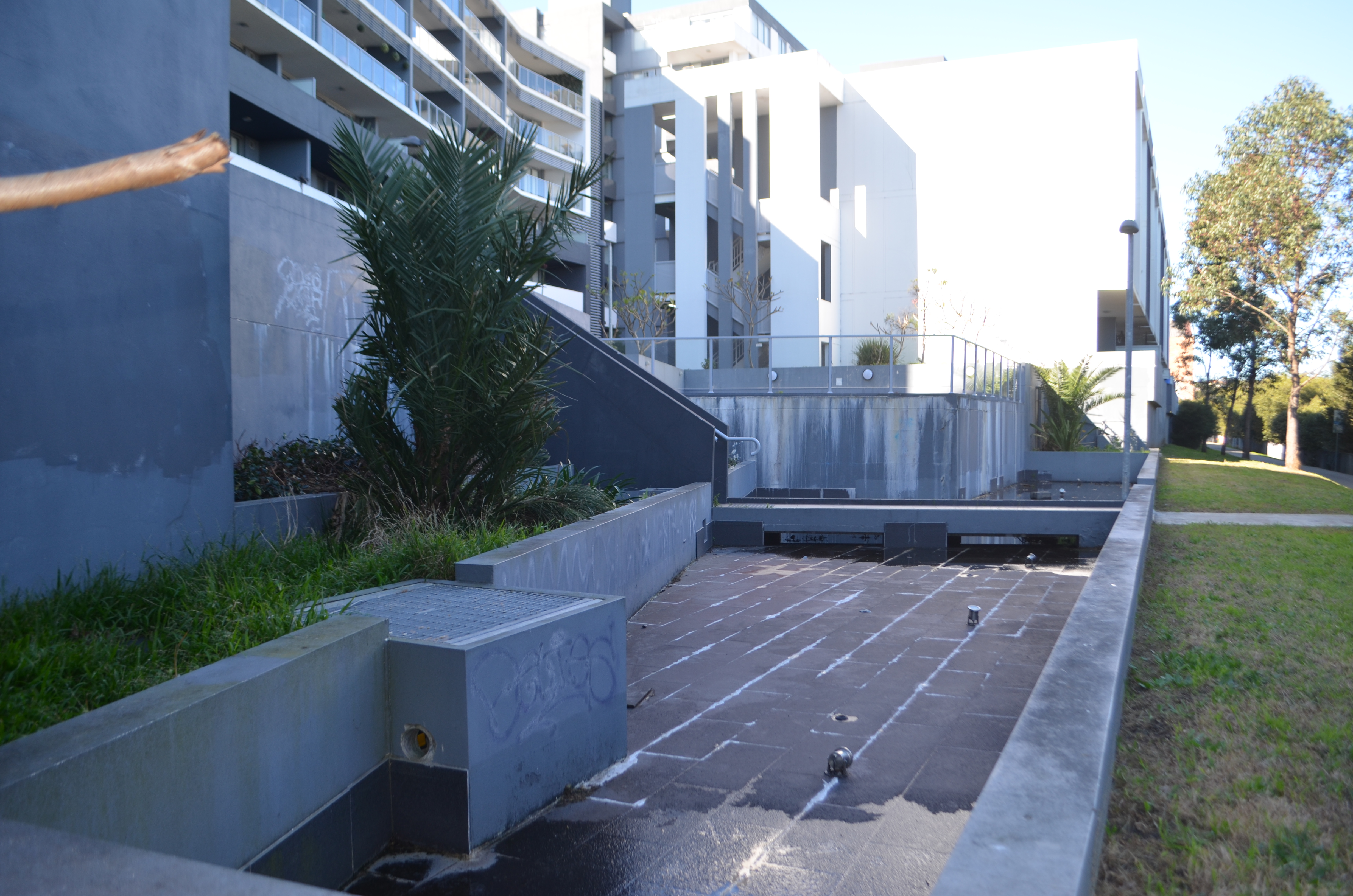
Meanwhile, the north-south link concept was also overly ambitious, given the steep slope running from the station down to the river.
One developer, in a bid to deliver this link, has created what are possibly Sydney’s steepest and most uncomfortable stairs. These are more like the stairway to hell, not the stairway to heaven.
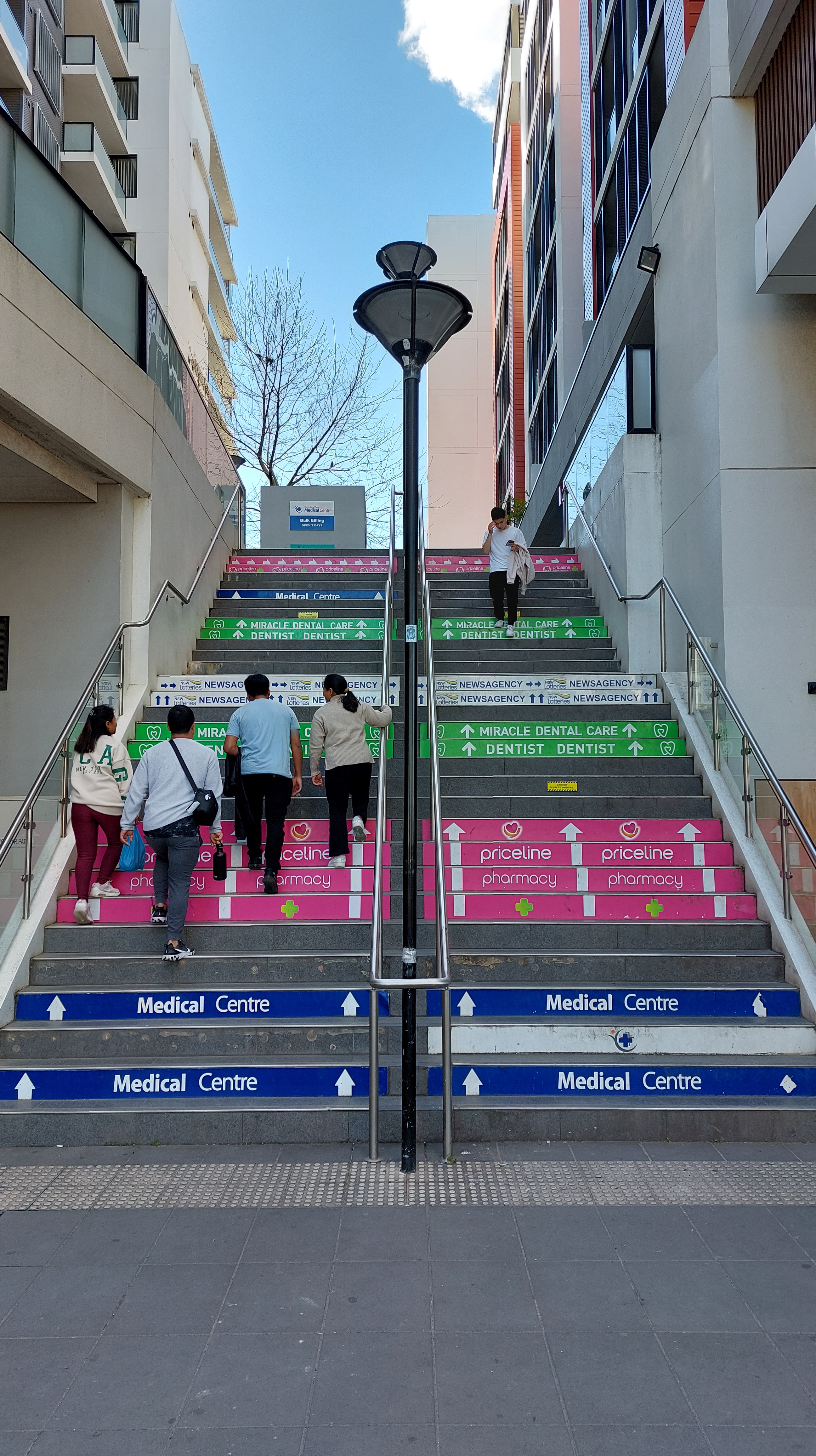
The stairs were so steep because the developer had included a supermarket in the ground floor, and to deliver the promenade concept large stairs were needed to climb up and over this supermarket space.
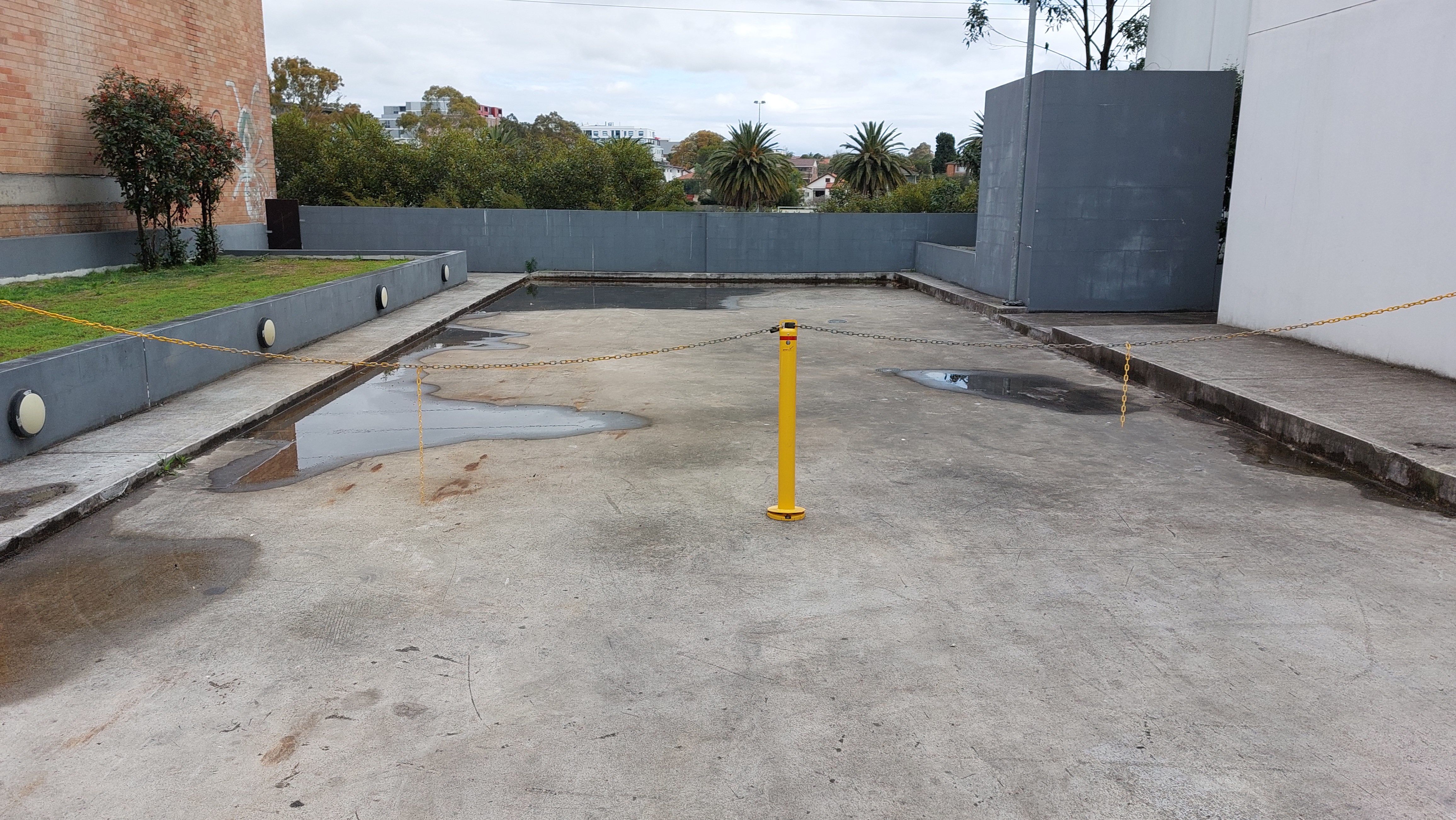
Meanwhile, the Toplace project was also meant to deliver a link through its site to the water. A development assessment report for the proposal said it would provide a “right of carriageway…to allow for public access between Charles Street and the Cooks River Walkway”.
A trip to the site shows that the public access to the water has not been provided, with instead only a dreary dead end road in place.
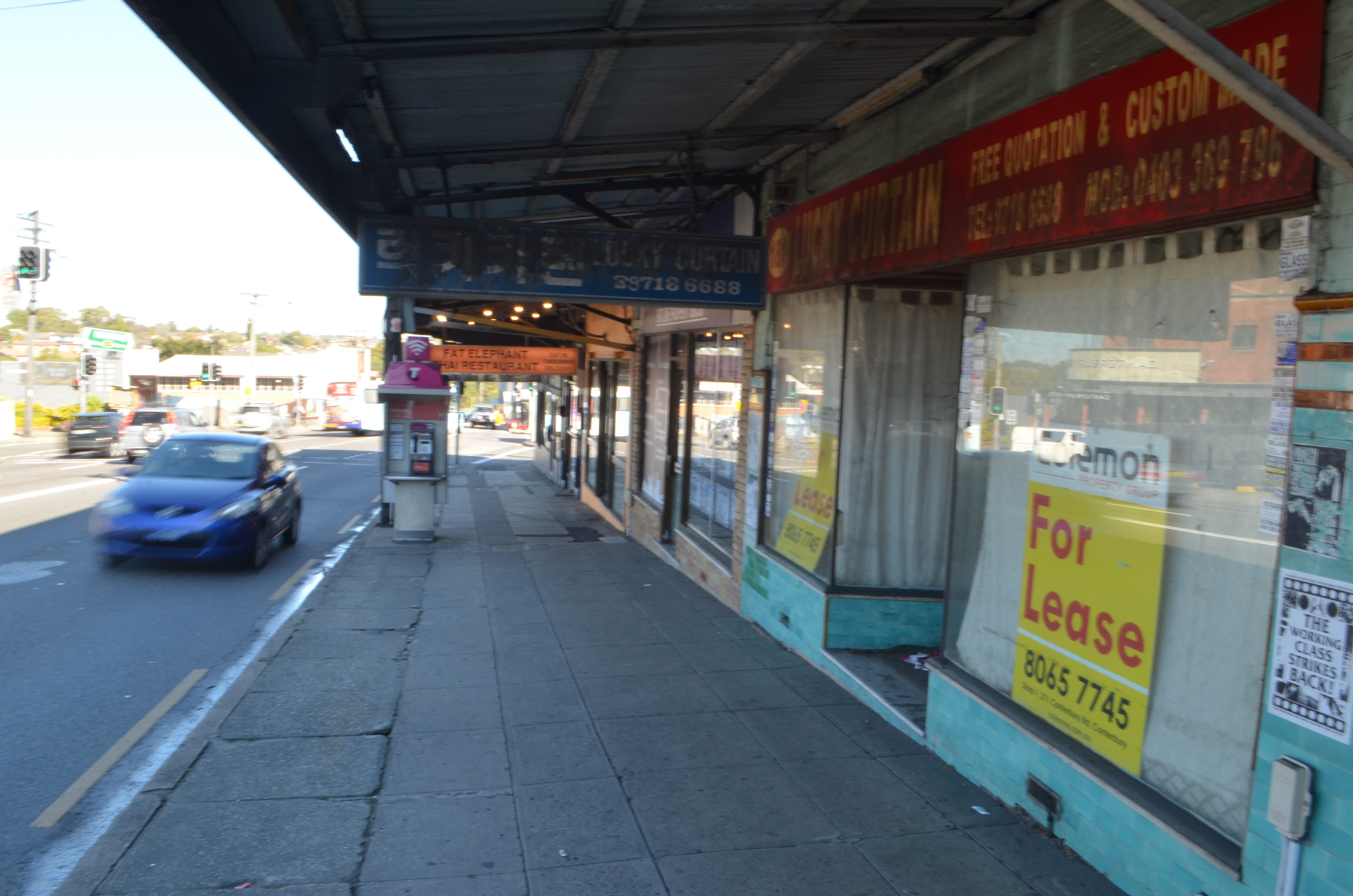
The promised renewal north of the station has also never arrived.
A 2017 report by Canterbury Bankstown Council found the shops were being land-banked by developers, perhaps waiting for further planning incentives when the station is converted to a Metro line.
The report also hinted, however, that the new supermarket south of the station had dragged customers away from the centre’s historic heart north of the station, and in doing so undermined any chance the shops could be renewed.
Whatever the reason, the strip is now one of the most depressed in Sydney – containing just a few massage parlours, one or two restaurants and other shops and rows of empty storefronts. When I visited on a Sunday, there was also almost no pedestrian foot traffic.
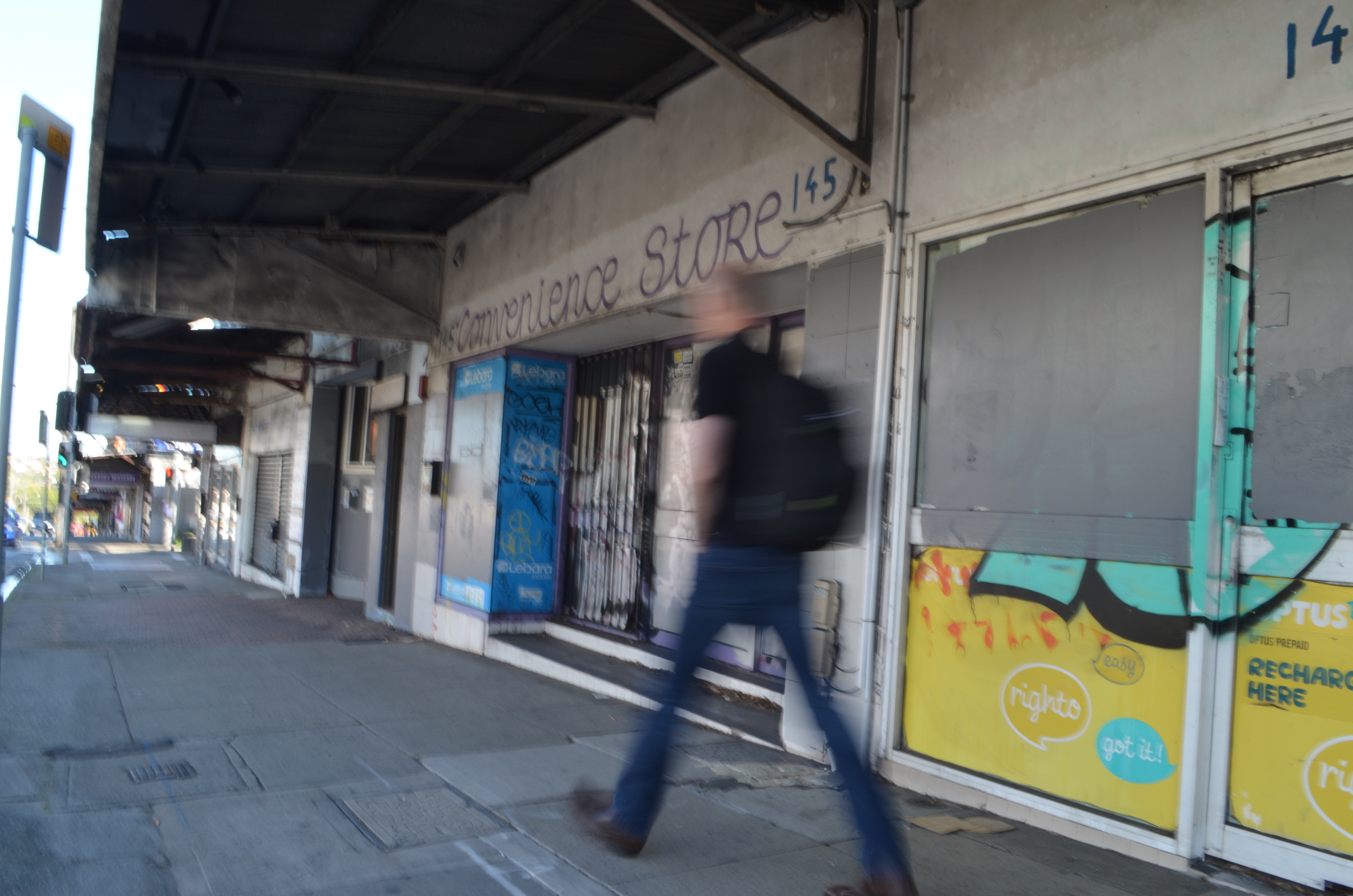
Overall, matters haven’t been helped by the fact there have been long delays in traffic and public domain improvement works in and around New Canterbury Rd at the Canterbury Town Centre.
Which then brings us to the notorious Vicinity building, developed on the site of a hardware store, which has so many structural defects that residents go to sleep at night fearing their building could collapse underneath them.
The building was signed off for occupation by a private certifier. This certifier has since been struck-off for five years for issuing an interim occupation certificate for a (separate) building that the Building Professionals Board said the certifier “could not reasonably have determined was suitable for occupation or use.”
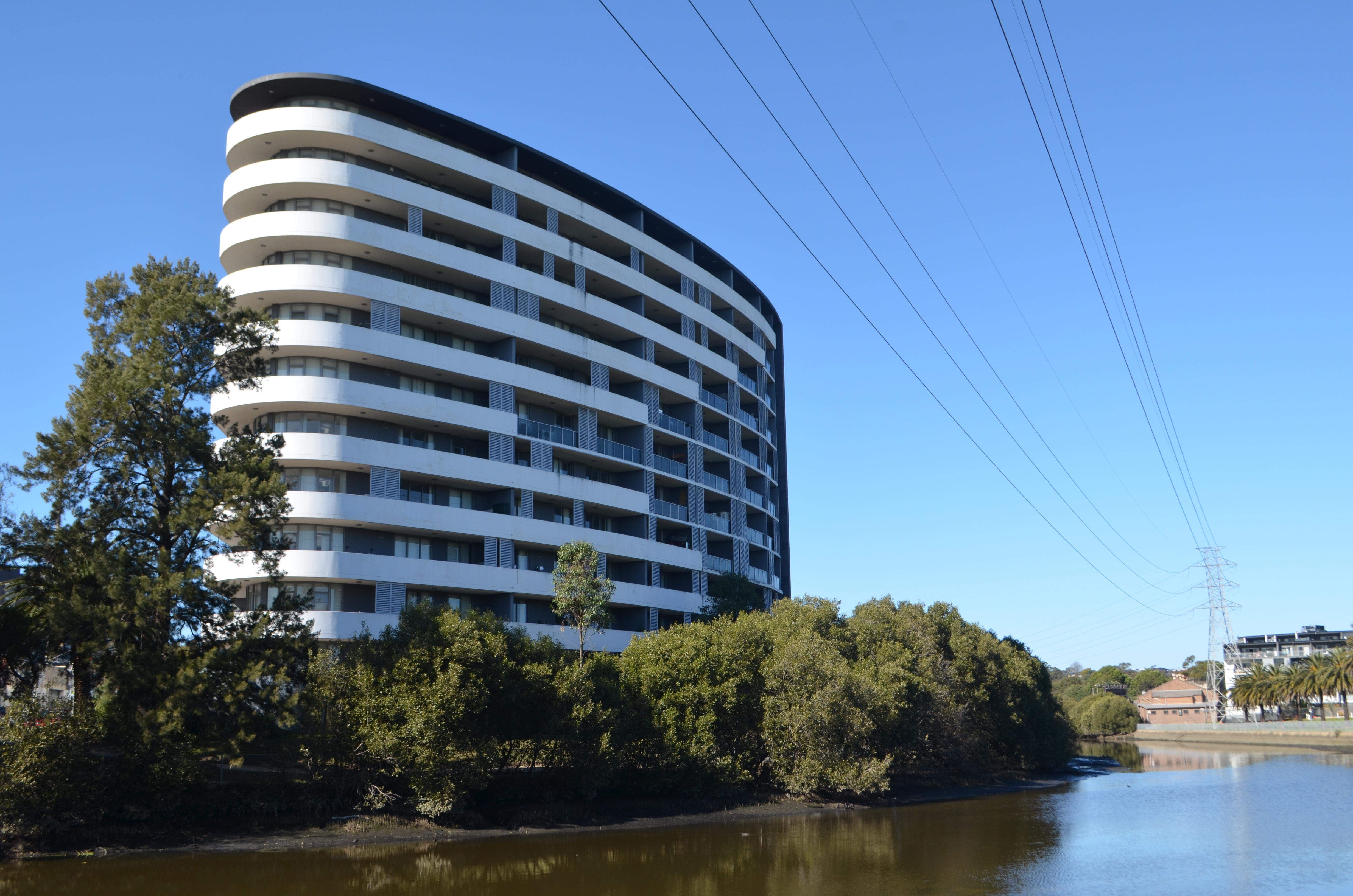
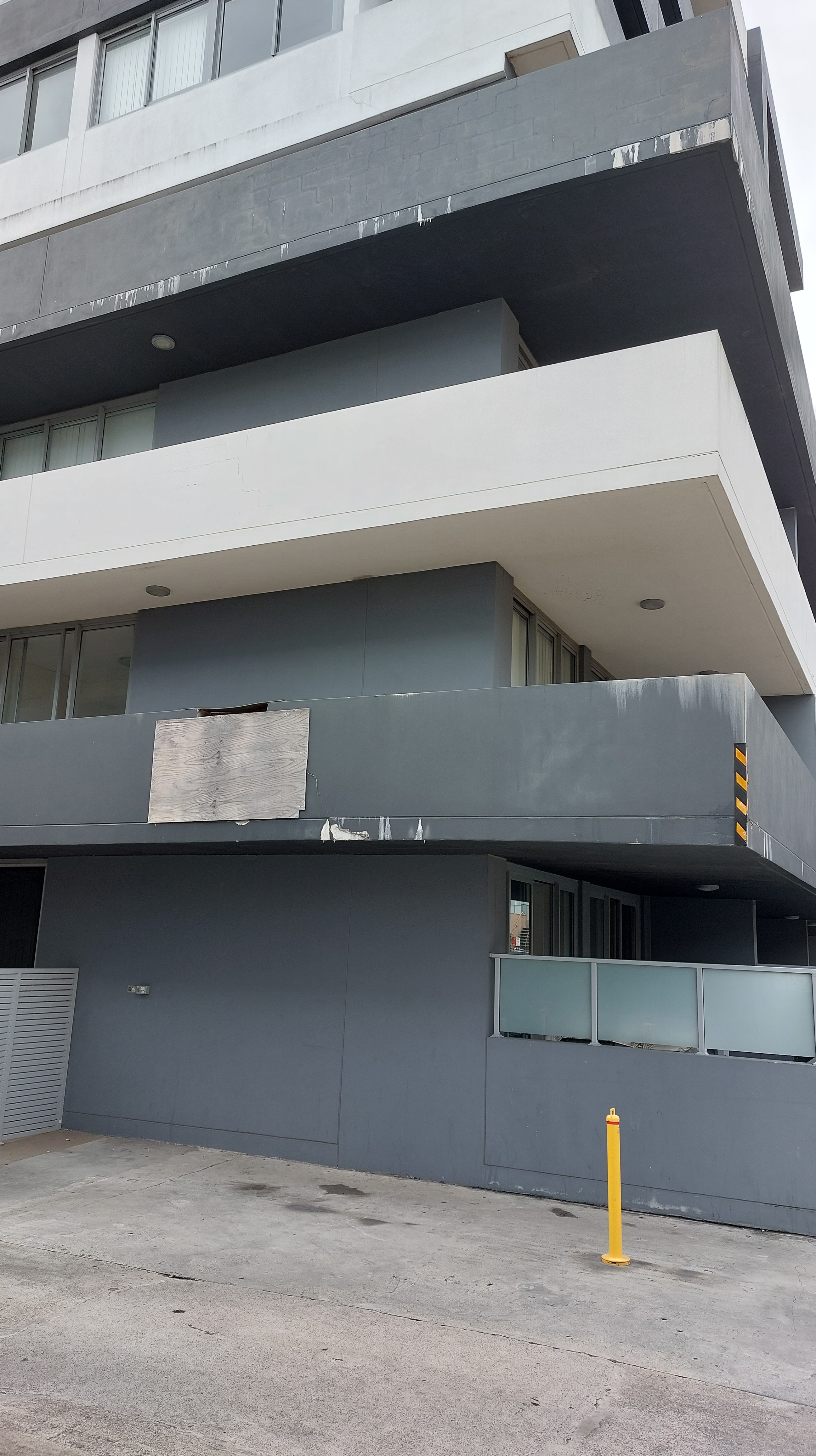
Vicinity is not the only building in the area with structural issues. At present, one of the new apartment buildings on Canterbury Rd is having dangerous potentially combustible cladding removed.
The Canterbury town centre really is a fail across the three key areas of urban planning – strategic planning, development assessment and certification.
Canterbury Bankstown Council (which replaced the former Canterbury City Council) is once again developing a masterplan for the town centre, with its website promising the project will “improve the quality of development, ensure local businesses have the conditions to thrive, and create places the community can be proud of.”
However, it’s hard to know whether it will be possible for the Council to pull the centre out of the hole in which it has fallen.
There are possibly two lessons out of the above fiasco.
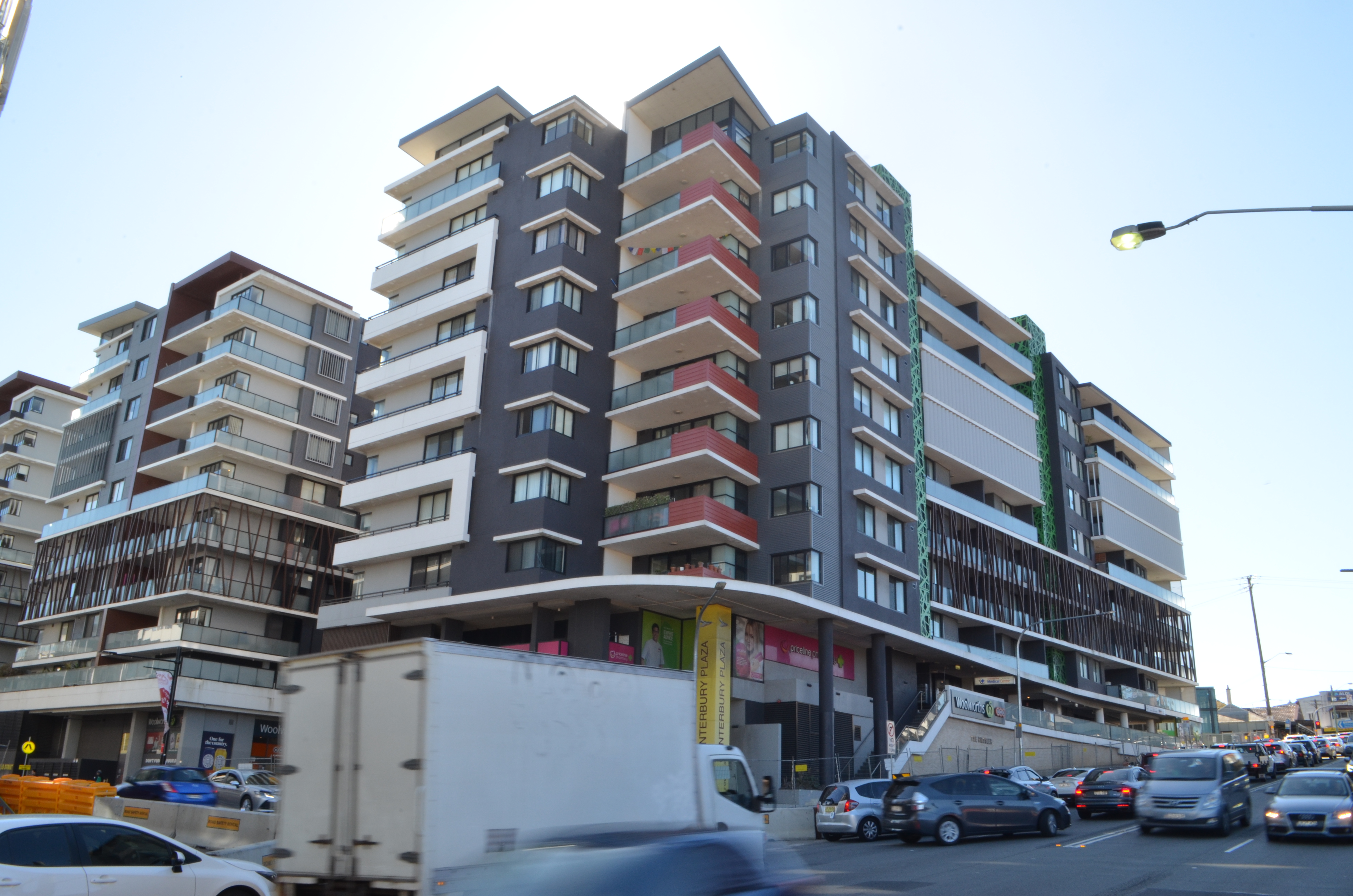
The first is that just adding development to an area doesn’t necessarily deliver great places. While there are now a few extra retail and eating facilities south of Canterbury station, this positive is undermined by generic architecture and an under-whelming public domain.
The second lesson might be the need for an ‘urban renewal audit authority’.
We always seem to have developers and planning authorities which are willing to undertake new urban renewal, usually accompanied by a promise that the mistakes of the past will not be repeated and a new round of glossy images to bedazzle local communities.
But who is responsible for assessing whether the renewal has been a success, and whether there should be ‘lessons learned’ or new regulations introduced?
Just as financial accounts are audited, perhaps urban renewal projects should be as well.
Discover more from Changing Sydney
Subscribe to get the latest posts sent to your email.

 Changing Sydney
Agree that this development is a disgrace and highly disingenuous. I hope this is never repeated. Definitely should be reviewed.
It is terrible. A shameful fail in every respect. It is also a hydrological nightmare for future flooding.
A complete disaster. How many more years do we have to wait?